© HILLSIDE TERRACE 33

Creating a New Tradition CRAFTMAN LAB

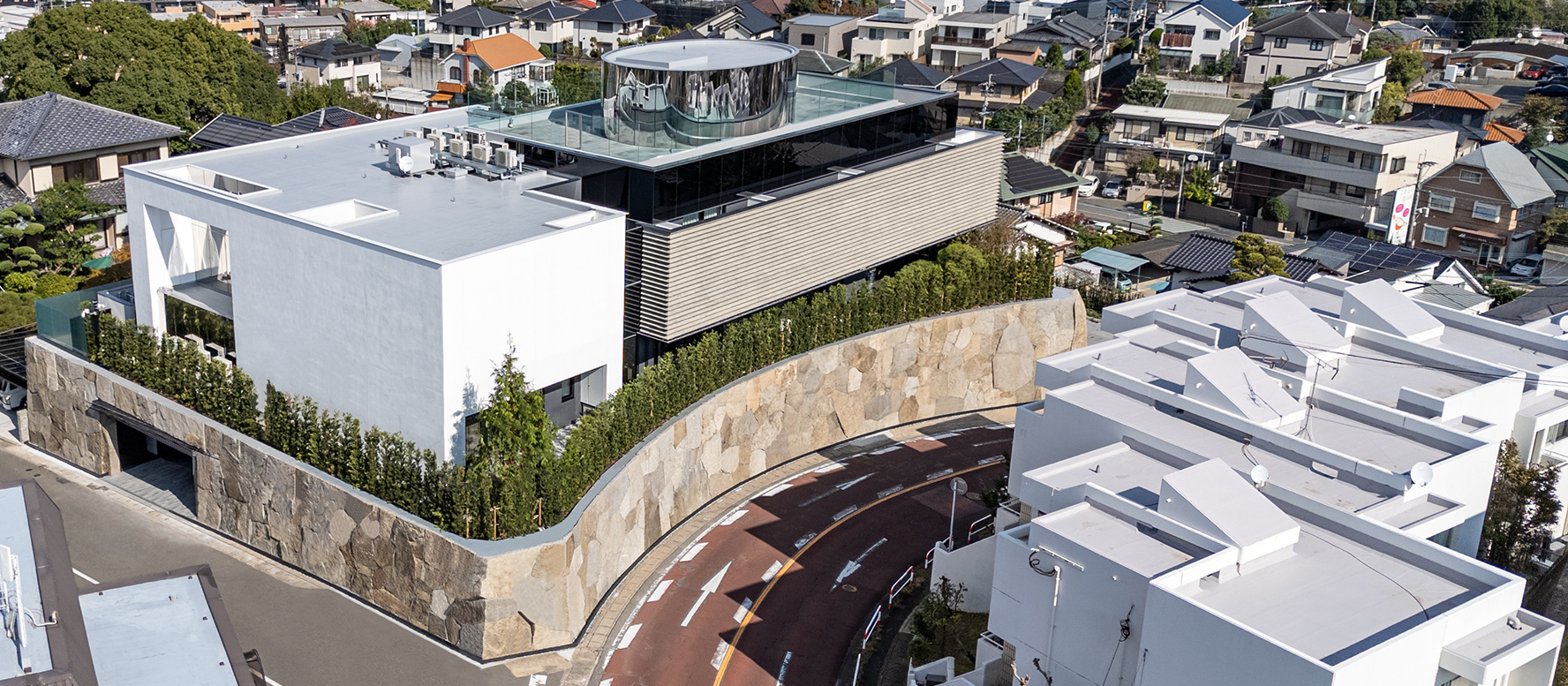
In recent years, the globalization of architectural design, increasing reliance on imported materials, and the decline in the construction workforce have all contributed to the gradual loss of Japan’s architectural skills and cultural identity.How can we carry these traditions into the future?This very question — born from the perspective of a construction company rooted in the craft of plasterwork — became the starting point for Fukuoka Geihinkan.

Mission

Towards Sustainable Inheritance

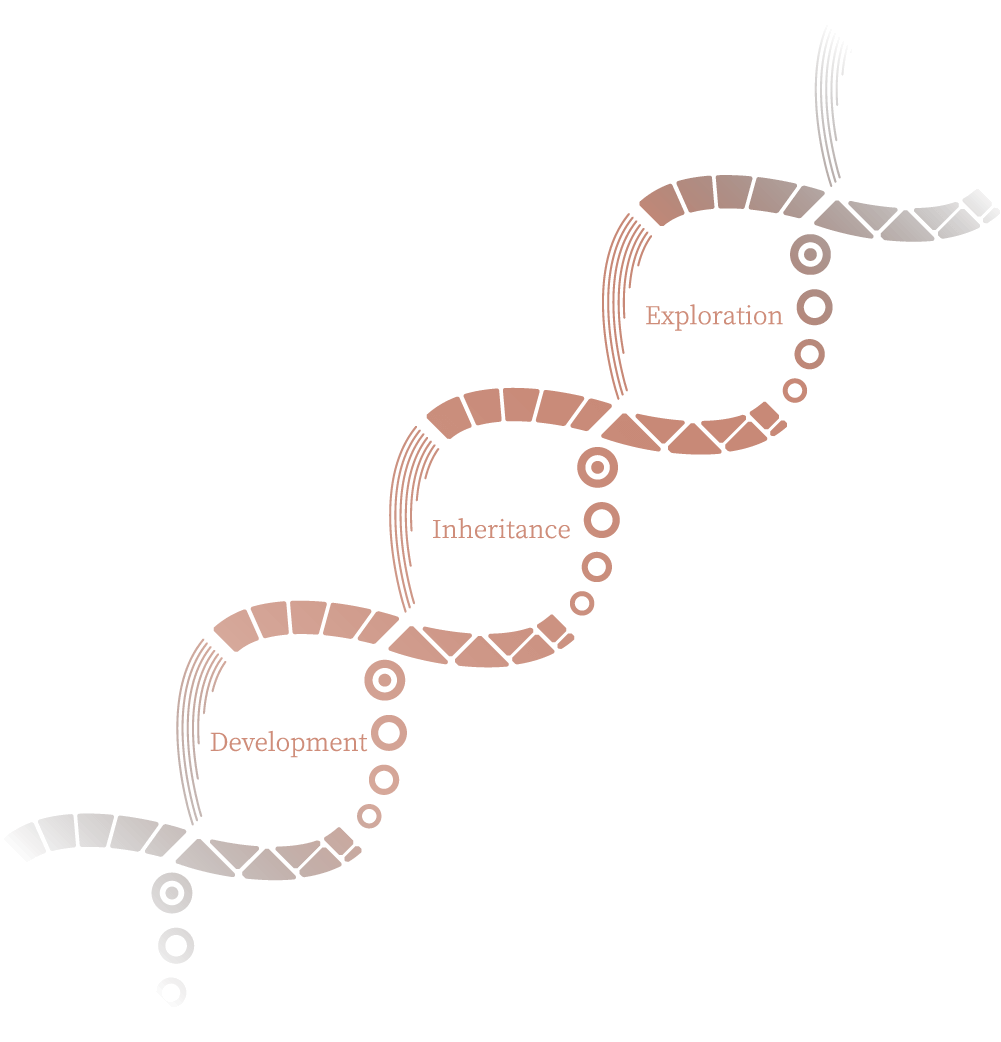
Building upon the underlying DNA of Japanese architecture, we have explored, reinterpreted, and reconstructed its foundational layers — materials, techniques, and philosophy — in ways that resonate with the present day.By combining locally sourced materials with the traditional skills of artisans, we have realized a collaborative creation that fosters sustainable inheritance.
Designed as an open and welcoming space, it provides a stage where future generations can learn and find inspiration, while presenting a new architectural vision that supports the development of industry, culture, and architecture.
A New Role for the Residence

Fusing Home and Hospitality By integrating residential living with guesthouse functions, Fukuoka Geihinkan presents a new vision of a home — one that serves as a hub for tradition, cultural inheritance, and architectural innovation.

Reinterpreting Styles

We revisited the materials, techniques, and philosophies of traditional architecture, reconfiguring them to respond to contemporary lifestyles and societal needs.

Collaborative Artisan Skills

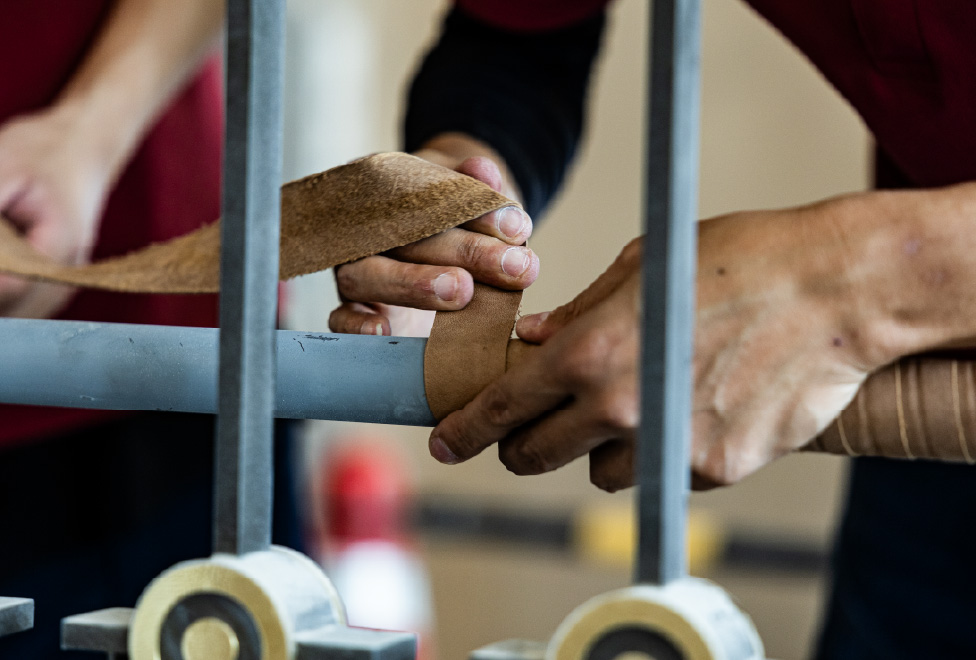
Actively incorporating craftsmen’s expertise enabled collaboration across trades — stonemasons and plasterers, experienced artisans and younger generations — bridging skill and age.

Unearthing Local Materials

Emphasizing the use of local resources, the residence unfolds multi-layered spaces where diverse materials — stone, plaster, cast metals, and ceramics — intersect, creating richness in texture and experience.

Interpretation and Contrast

This section introduces how traditional elements were interpreted and reconfigured to respond to contemporary architecture, lifestyle, and society.
Through a dialogue with the past, the nature of tradition moving toward the future is made visible.

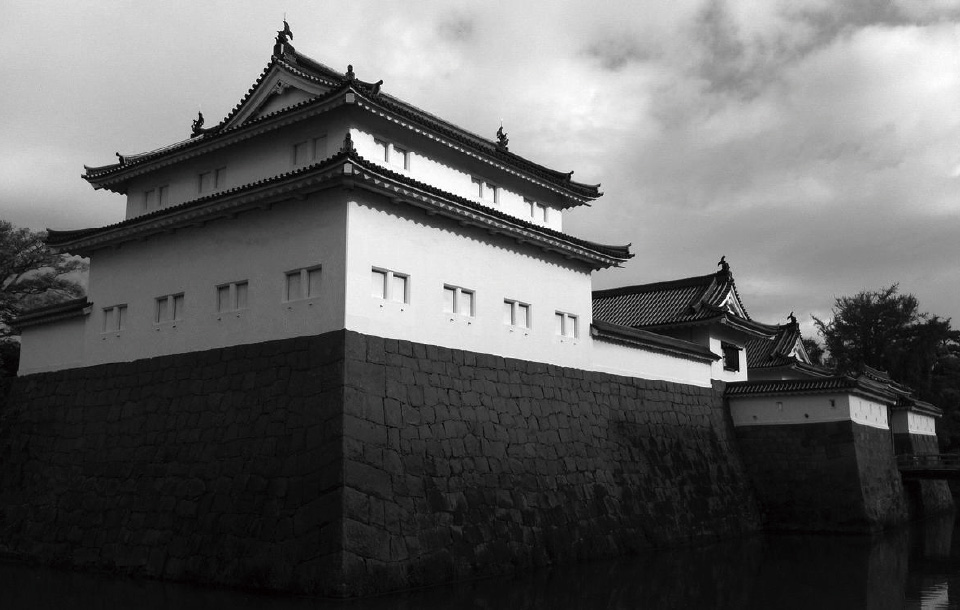
Castle Stone Walls

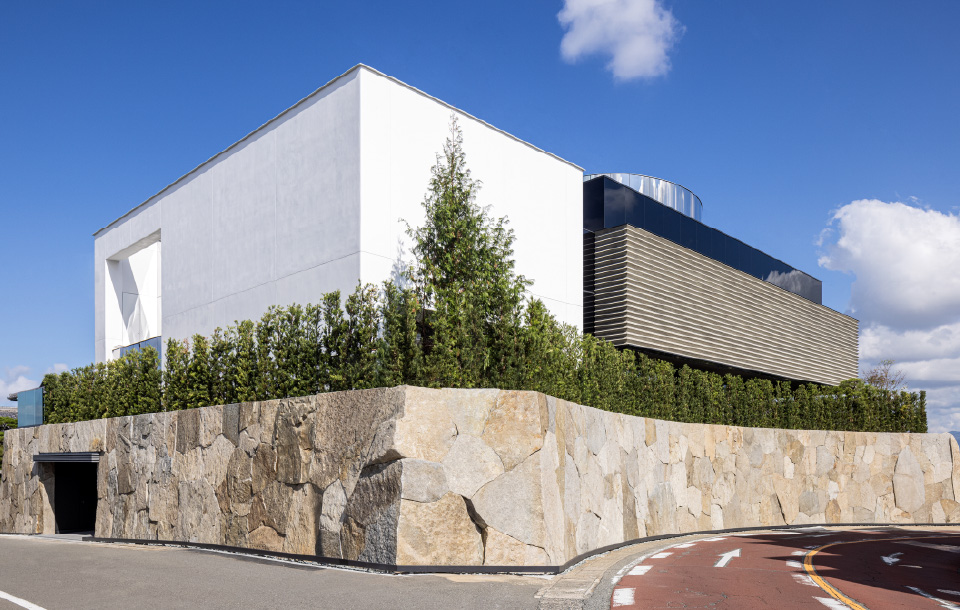
Stone Walls of the Former Residence

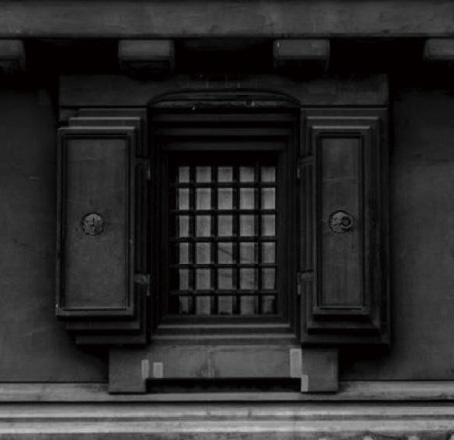
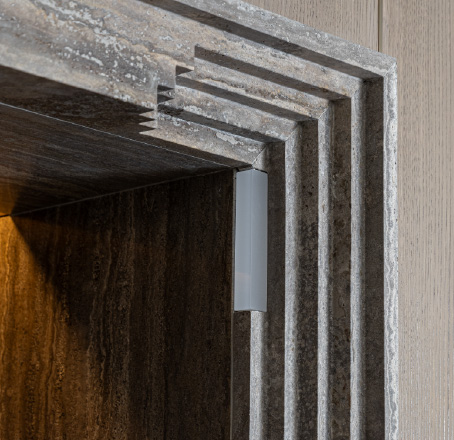
Entrance Section of a Storehouse (dozō-zukuri)

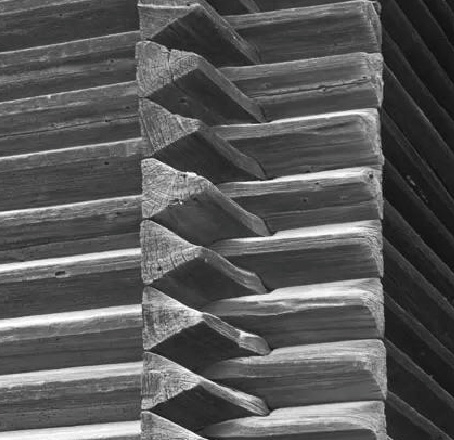
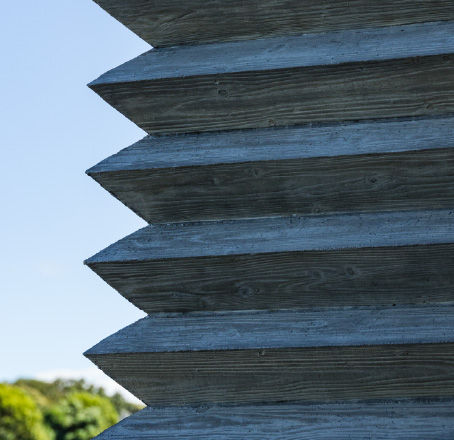
Azekura-zukuri Structure

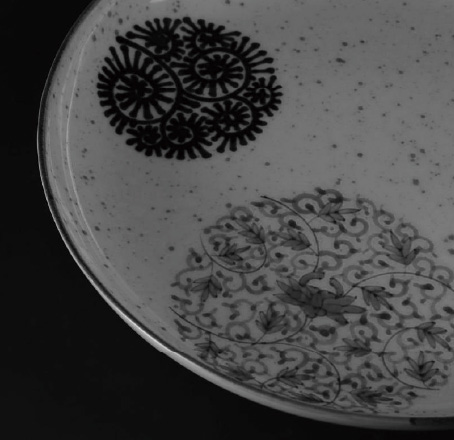
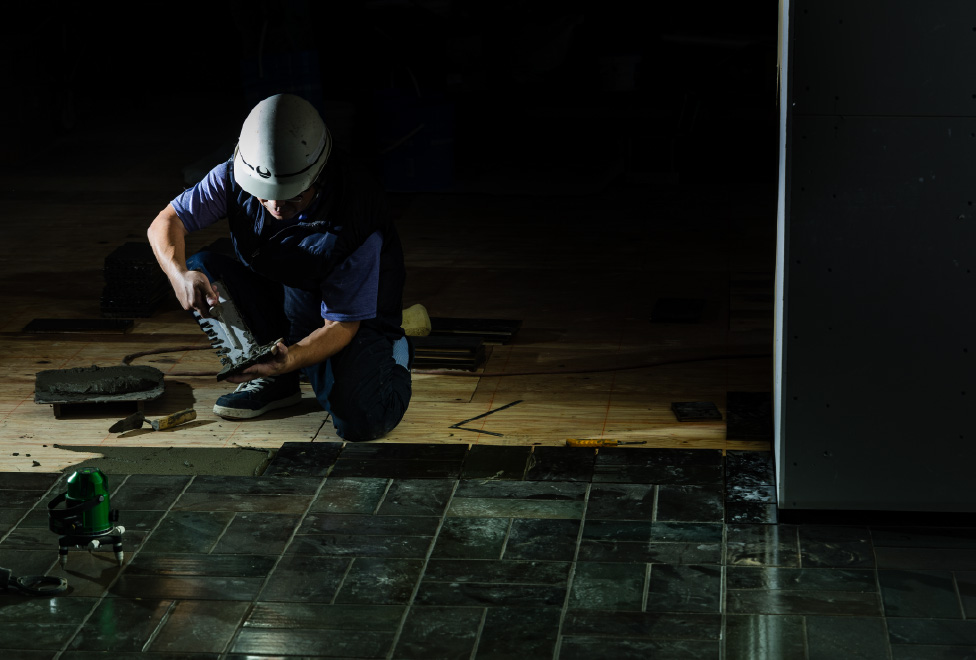
Arita-yaki Tiles

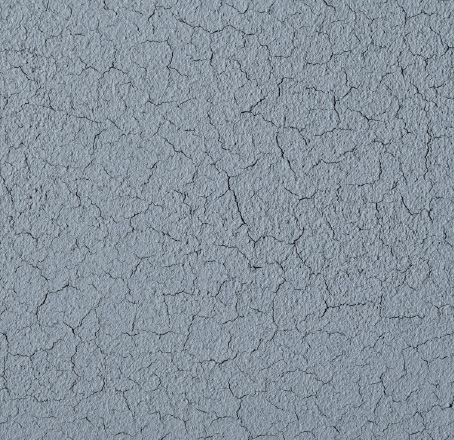
Plaster Walls

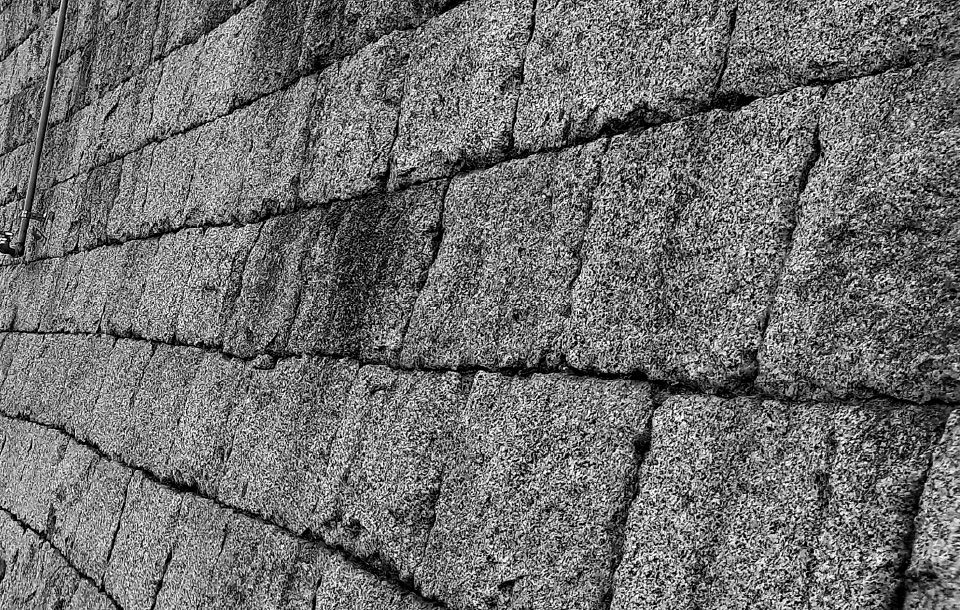
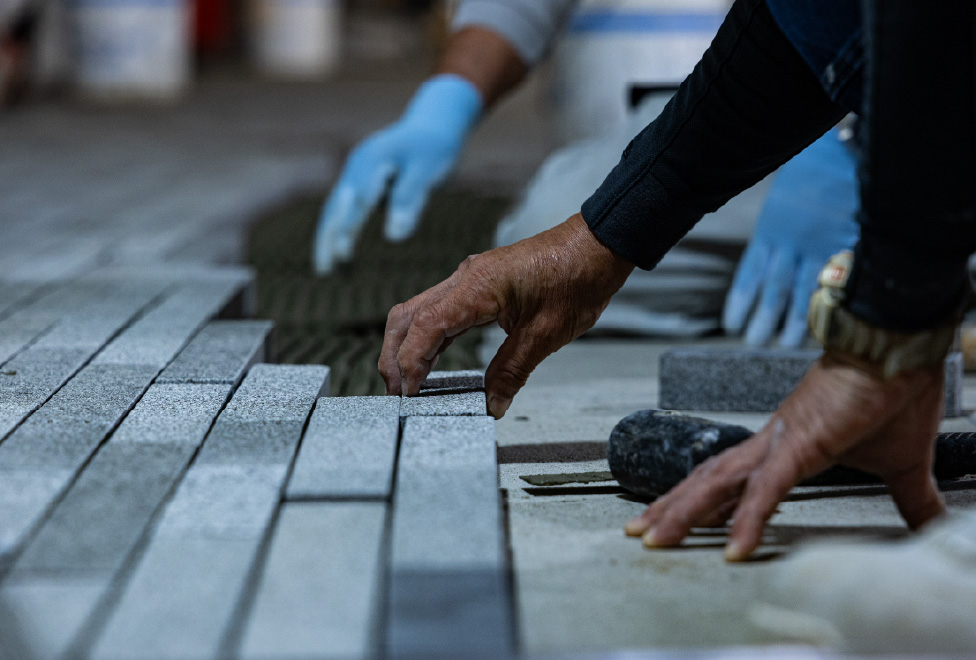
Stone Walls Made of Ōshima Stone Using the Aikata-zumi Technique

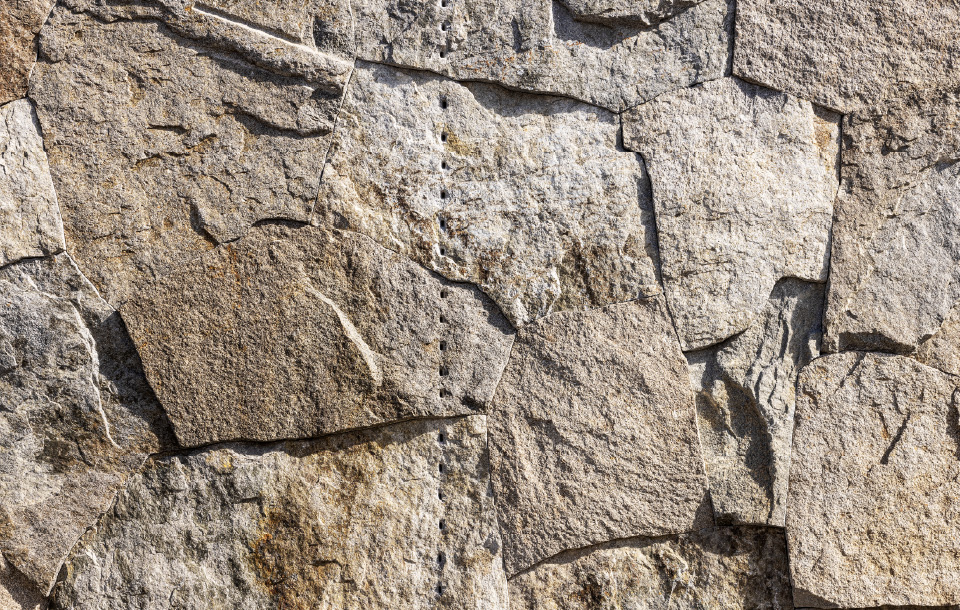
Ōshima Stone

Elevator Frame Inspired by the Entrance Section of a Storehouse

RC Wall Inspired by Azekura-zukuri

Arita-yaki Floor Tiles

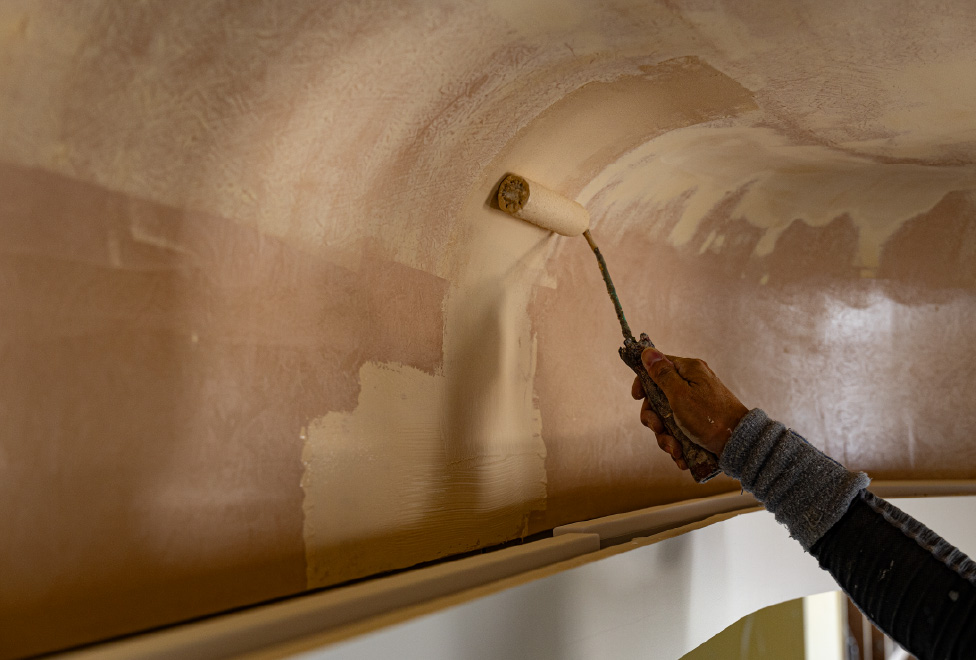
Handcrafted Plaster Walls

Castle Stone Walls

Stone Walls Made of Ōshima Stone Using the Aikata-zumi Technique

Stone Walls of the Former Residence

Ōshima Stone

Entrance Section of a Storehouse (dozō-zukuri)

Elevator Frame Inspired by the Entrance Section of a Storehouse

Azekura-zukuri Structure

RC Wall Inspired by Azekura-zukuri

Arita-yaki Tiles

Arita-yaki Floor Tiles

Plaster Walls

Handcrafted Plaster Walls

Committed to domestic materials and handiwork

By actively incorporating Japanese materials and traditional craftsmanship, the project aims to revitalize local industries and ensure the transmission of skills.In sourcing materials, emphasis was placed on regional resources, expanding from the Fukuoka area to the wider Kyushu region, and further across Japan.A multi-layered collaboration unfolded across trades and generations — veteran and young artisans, stonemasons and carpenters alike.Through the intersection of materials, techniques, and philosophy, creative serendipity emerged rather than predetermined harmony, forming a “space that speaks to the future” with a responsiveness akin to a session.

Locally produced materials

Inai Stone

Inai District, Ishinomaki City, Miyagi Prefecture

Ōshima Stone

Northern Ōshima, Imabari City, Ehime Prefecture (Miyakubo Town)

Satsuma Stone

Kagoshima Prefecture

Mino Stone

Chikugo Region, Fukuoka Prefecture — Mino Mountain Range

Special Stone Processing

Tachiarai Town, Fukuoka Prefecture

Decorative Cedar Formwork

Hita City, Ōita Prefecture

Plaster (Shikkui)

Raw Limestone: Tagawa City, Fukuoka Prefecture
Production Factory: Tagawa Sangyo Co., Ltd. (Tagawa City, Fukuoka Prefecture)

Arita-yaki Tiles

Raw Ceramic Stone: Amakusa, Kumamoto Prefecture
Production Factory: Arita Town, Saga Prefecture

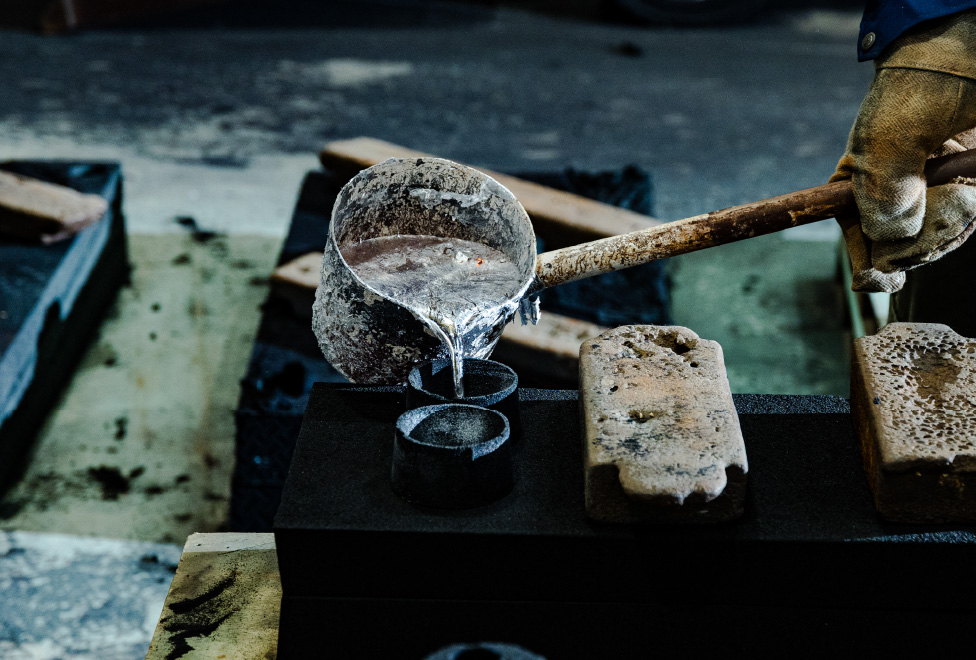
Cast Metals

Raw Aluminum Ingots: Kasuya District, Fukuoka Prefecture
Production Factory: F-Cast Co., Ltd. (Kasuya District, Fukuoka Prefecture)

Interior Wood Veneer

Raw Chestnut Wood: Gifu Prefecture
Dyeing/Processing: Ōkawa, Fukuoka Prefecture

Special Metal Coatings

Umi Town, Kasuya District, Fukuoka Prefecture
Osaka Prefecture

Owner
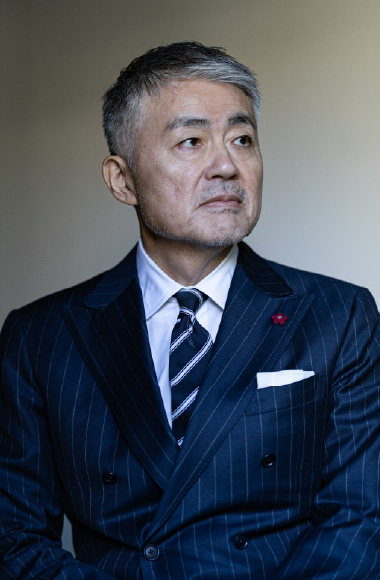
President, Kamimura Construction Co., Ltd.

Eisuke Kamimura

Creating new value requires the combination of diverse experiences, talents, and intentions. HILLSIDE TERRACE33 exemplifies this: by bringing together the skills and passions of the owner, architects, and craftsmen, it has produced a unique value and story.As someone engaged in architecture, I am convinced that it is our essential role to continue conveying the wonder and inspiration of creation, and to keep generating value.

Architect
President, BAS Architectural Design Co., Ltd.

Masaya Ushijima

Amid the globalization of architectural design, the rapid decline in the domestic construction workforce and the hollowing out of manufacturing have accelerated the decline of Japan’s architectural industry.
The excessive focus on cost efficiency and shortened construction periods further exacerbates the loss of valuable architectural culture and skills.
From this self-reflection, we aimed to gather and reconstruct as much as possible of Japan’s architectural DNA — design, techniques, knowledge, materials, experience, and philosophy — in this building.
During the creation process, not only techniques and materials but also the intentions of everyone involved resonated like a session, resulting in a remarkable project where tradition and the future are connected.

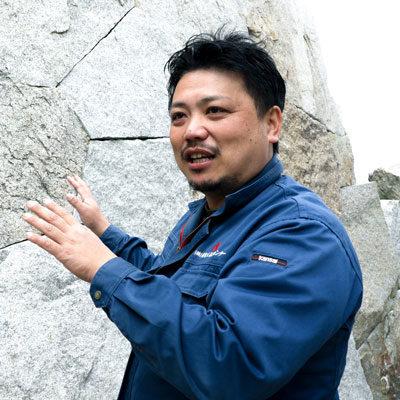
Mason
Ochi Hisashi Stone Center Co., Ltd.

Eisuke Ochi

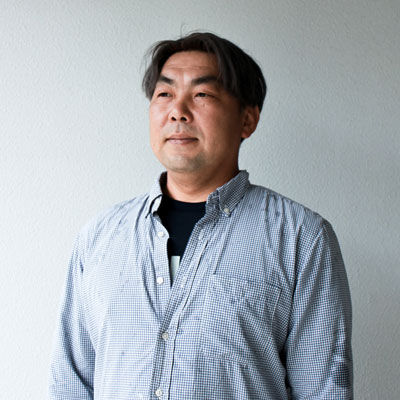
Plasterer Meister
Sakanya Kobayashi

Yutaka Kobayashi

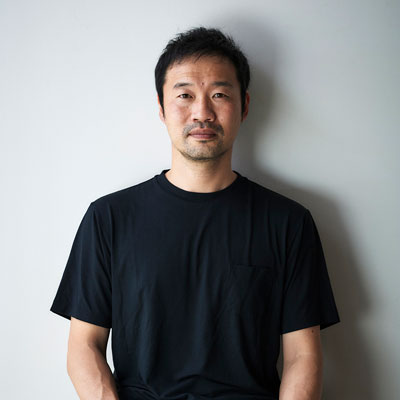
Casting Meister
F-Cast Co., Ltd.

Kazunaga Sakashita

Infill Meister
T-SCORE Co., Ltd.

Satoshi Okamoto

Interview Movie

Interview videos with project members are now available on YouTube.