
Stone Ishi

© HILLSIDE TERRACE 33

Living with Stone

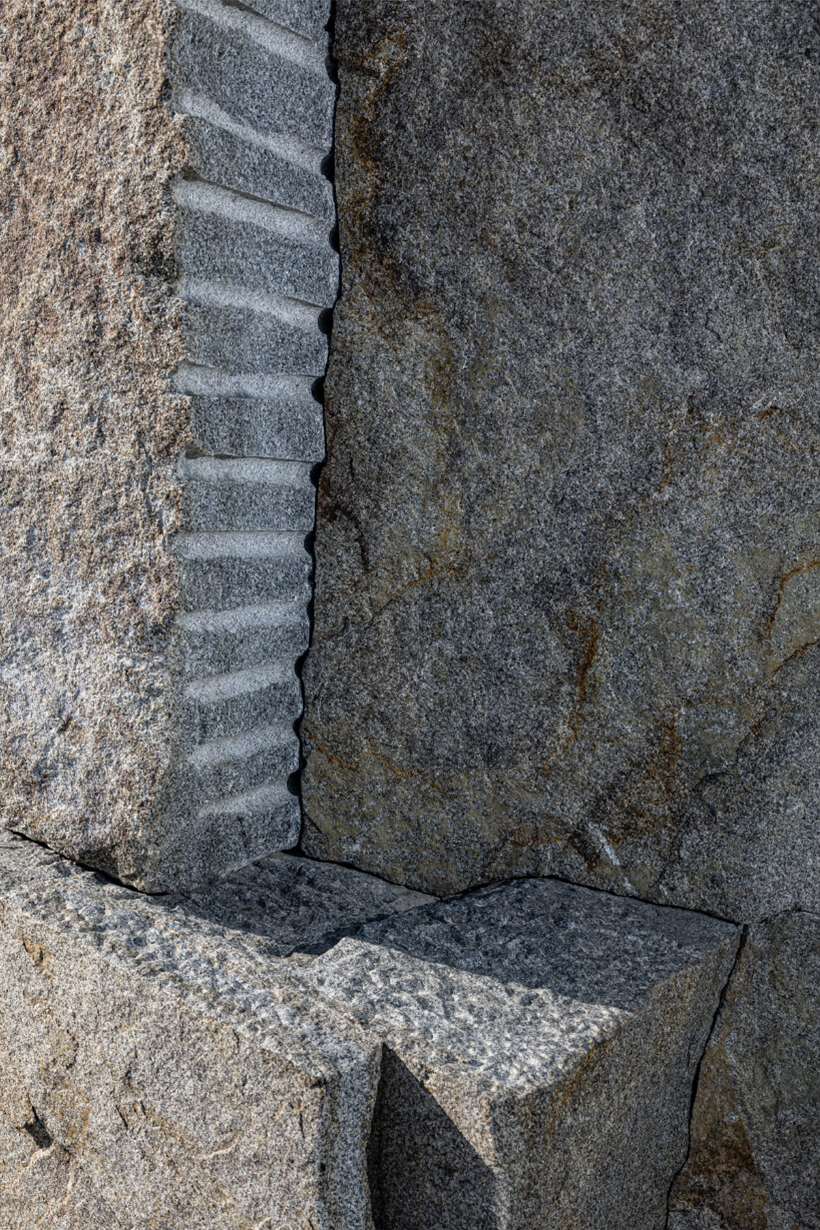
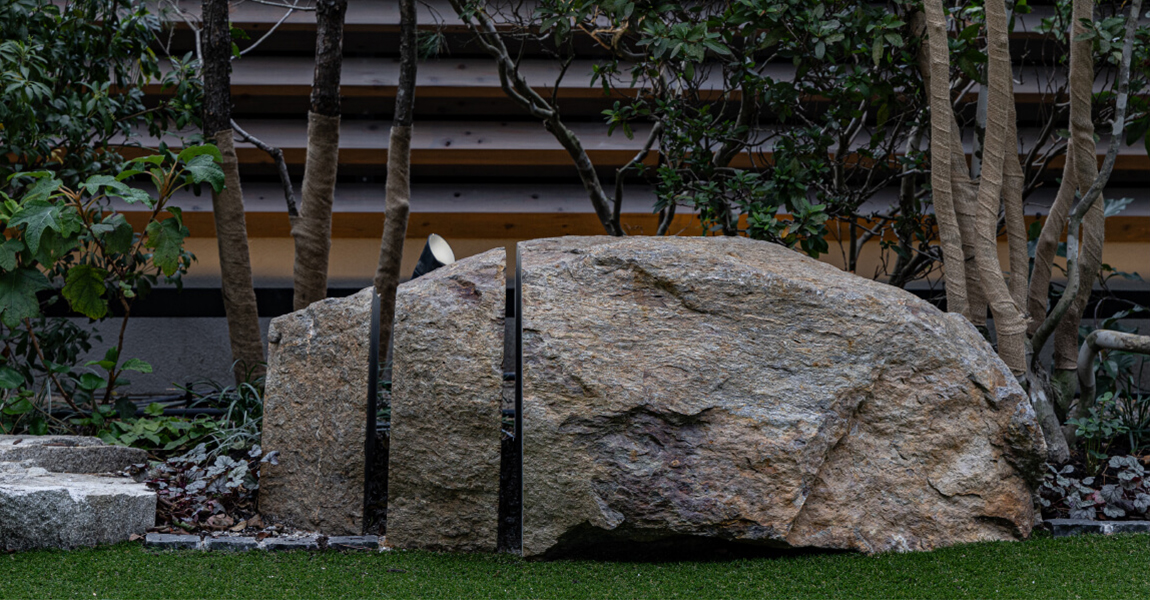
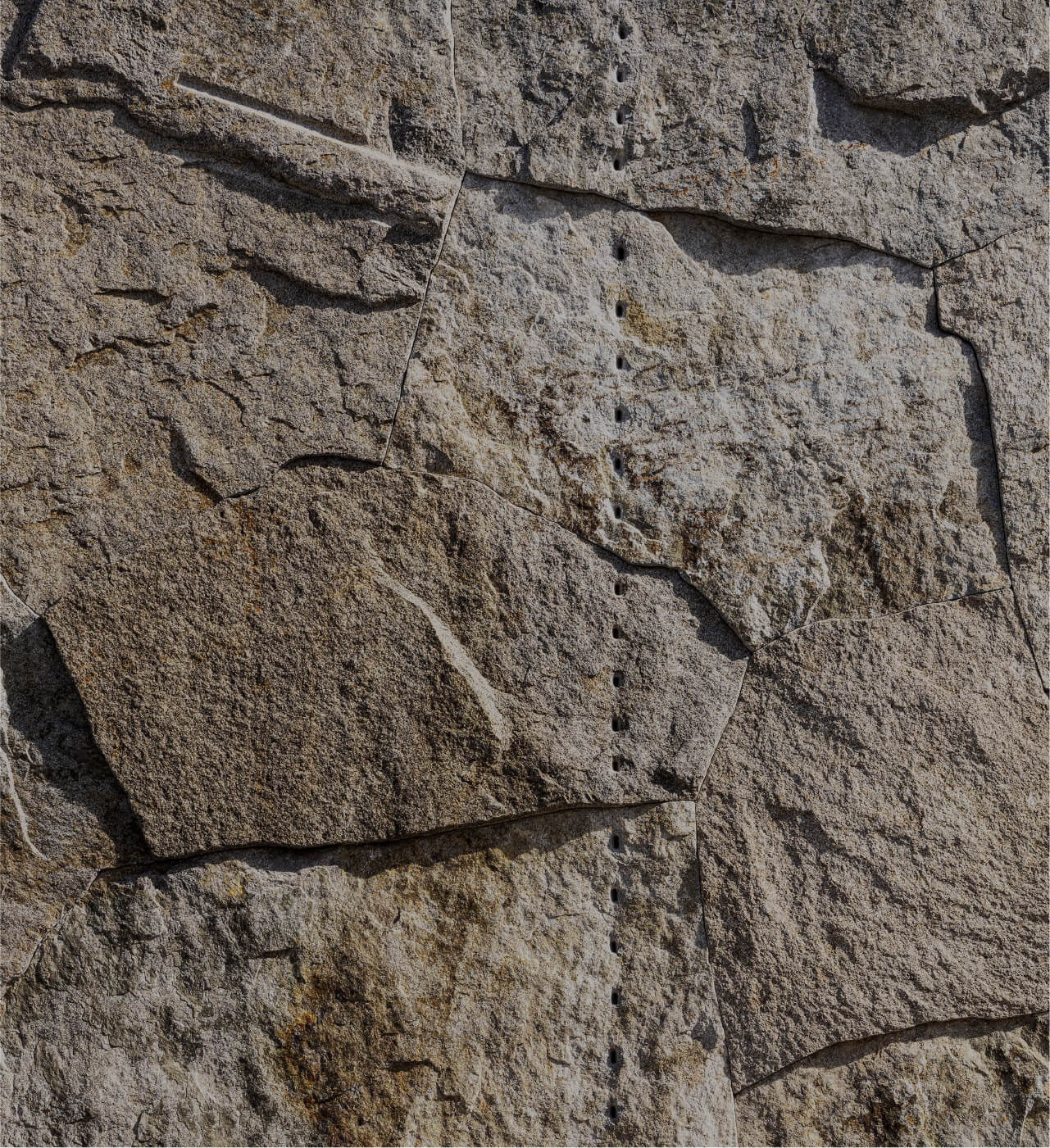
Stone carries layers of time spanning tens of millions of years, formed through volcanic activity and tectonic shifts. Its density, color, and texture vary by region, giving each stone a unique character shaped by nature.
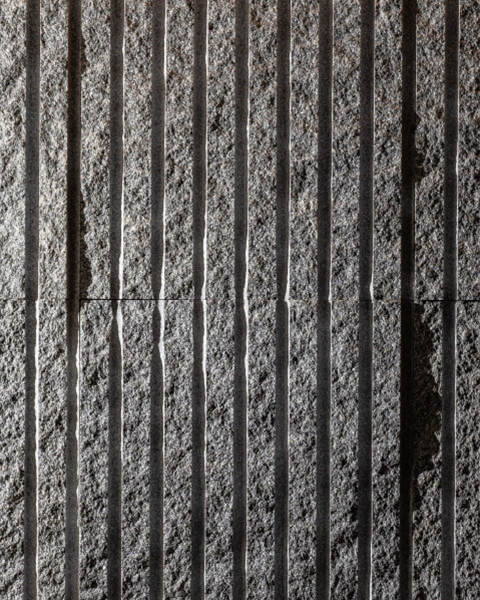
In architecture, stone has been used broadly — from foundations and structural elements to decorative features — and in recent years, it has gained attention as a local material with minimal environmental impact. Handling stone is, in essence, learning to work with the forces of nature and coexist with them.

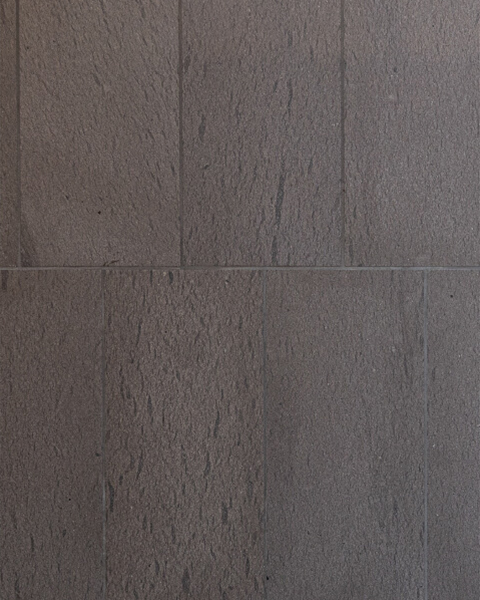
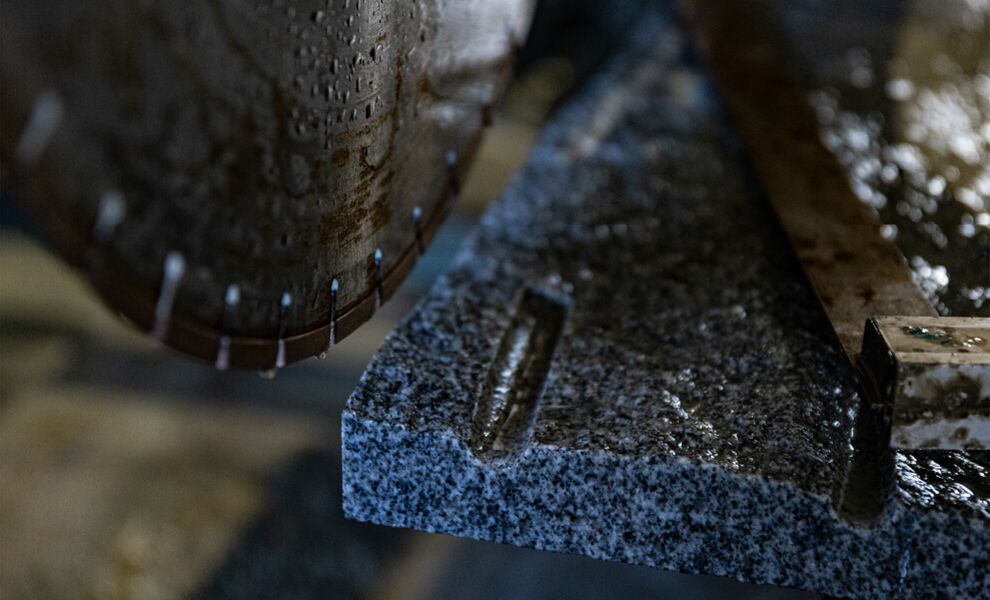
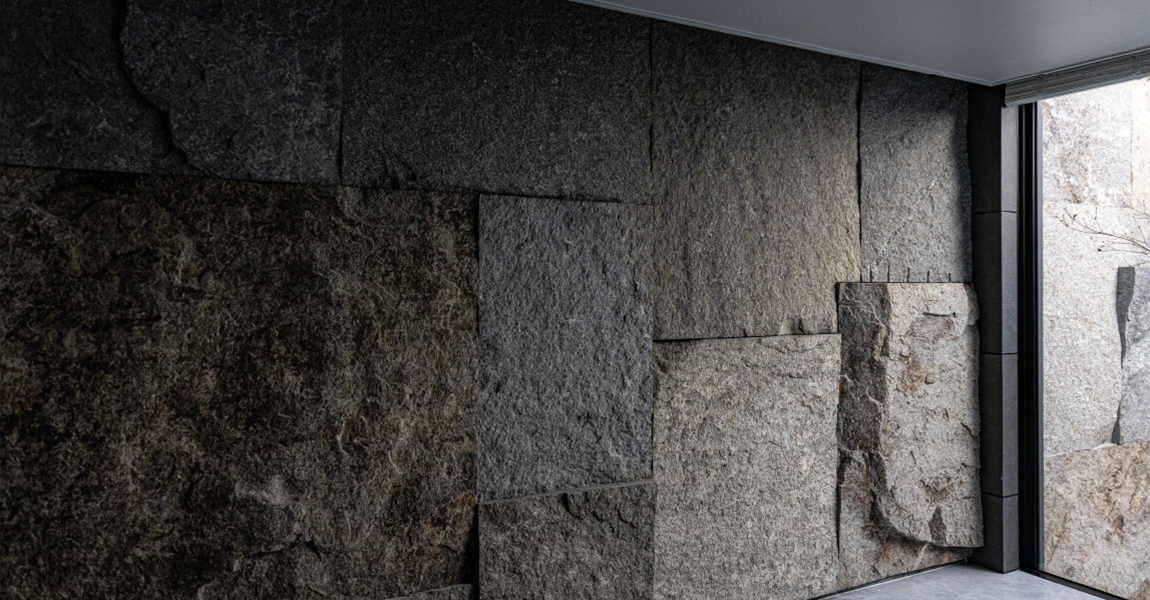
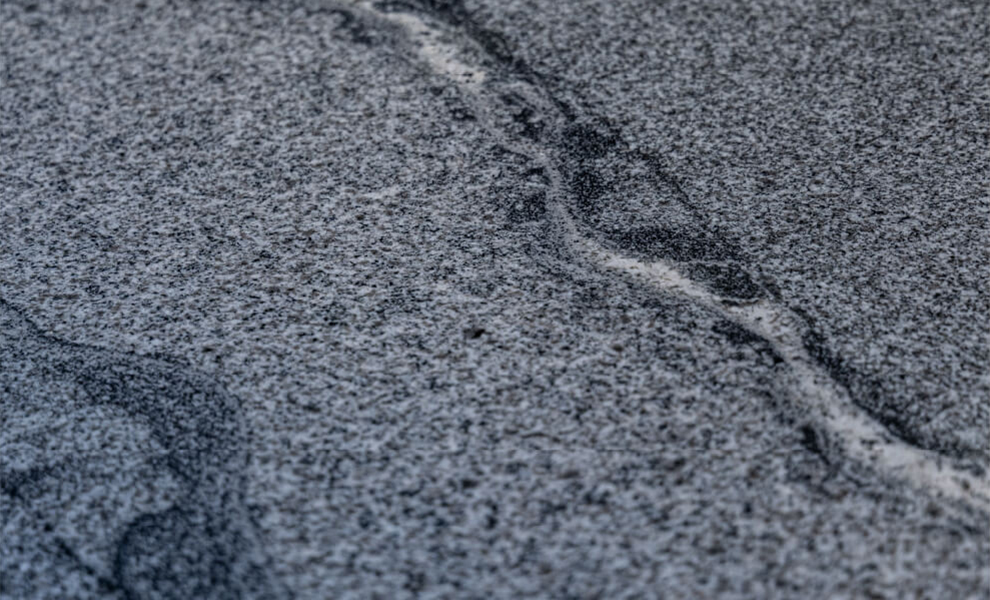
The beautiful bluish Ōshima Stone is one of Japan’s most highly regarded stones. With fine grains and a uniform texture, it excels in durability and wear resistance, making it widely used in architecture and monuments. Its polished surfaces retain their lustrous appearance over time, radiating a quiet presence.When cut, polished, and assembled by human hands, stone begins to mark a new passage of time. It is not merely a hard material, but a presence that quietly tells the memory of the earth.

Dialoguing with Stone Crafting Stone

A mason is an artisan who reads, carves, and assembles stone.
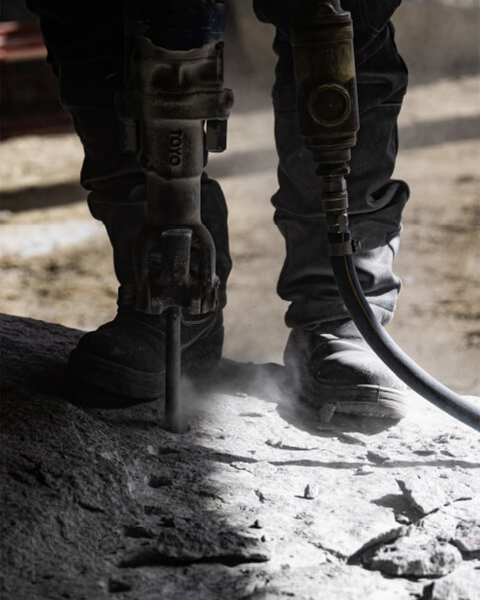
While confronting this hard material, they sense the direction to split and how force travels, skillfully shaping it with precision and elegance. Amid the sounds of tools and drifting dust, they listen to the voice of the stone, discerning its inner form. The temperature and weight felt by hand, along with every detail, impart a sense of permanence to the space. Stone architecture carries a quiet power that transcends time.

Despite its hardness, stone comes alive in the hands of skilled craftsmen. Cutting it requires understanding the stone’s veins and patterns, and working in harmony with its natural properties. Each artisan shapes the material while engaging in a dialogue with nature. The strength and beauty created endure unchanged through the passage of time.

Plaster Sakan

Painting with the Earth

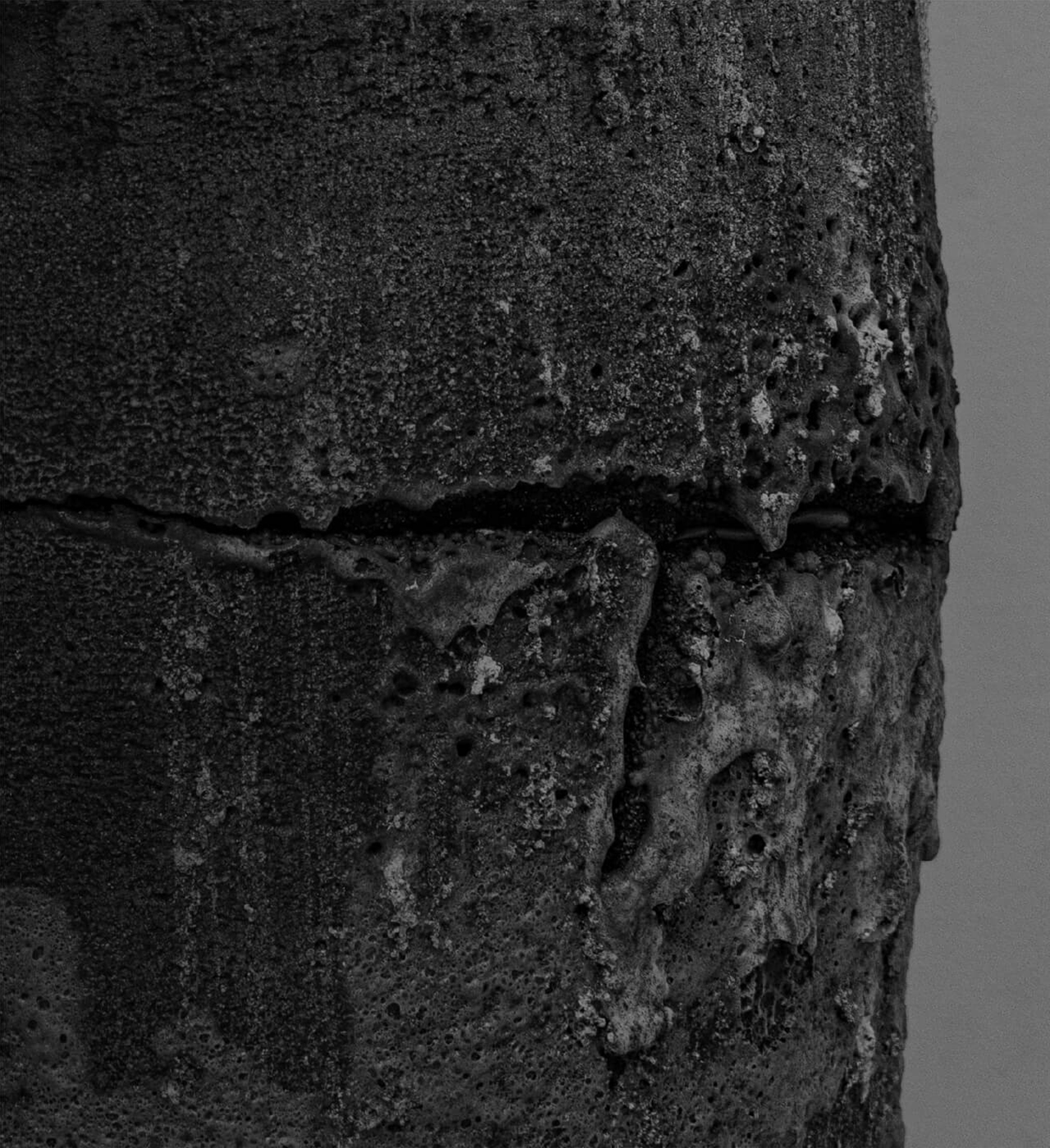
Shikkui (plaster) is a wall finish made primarily from limestone, and has been used in Japan for centuries on castles, storehouses, and traditional houses.
Its origin lies in strata that were once seabeds, where deposited shells and coral slowly transformed into limestone over millennia, later processed and used as plaster. In this sense, plaster carries within it the memory of the ancient sea.
The property of limestone to harden upon reacting with water has made it a building material since ancient times along the Mediterranean and in the Middle East, making it one of humanity’s oldest wall materials.Also called a “breathing wall,” plaster excels in humidity regulation, fire resistance, and antibacterial properties, and is now being re-evaluated as a sustainable building material in contemporary architecture.

The Spirit of Place Plasterwork

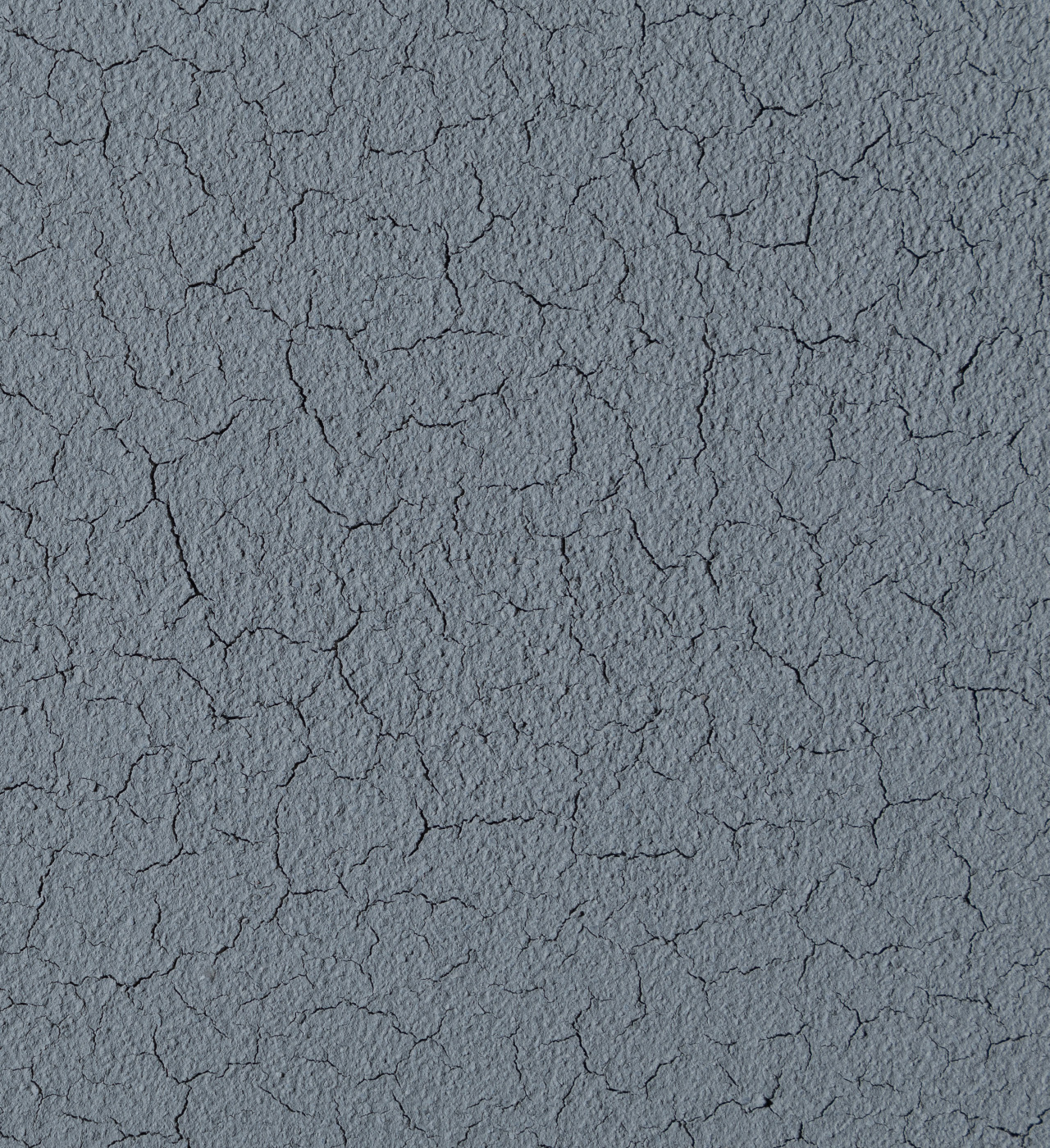
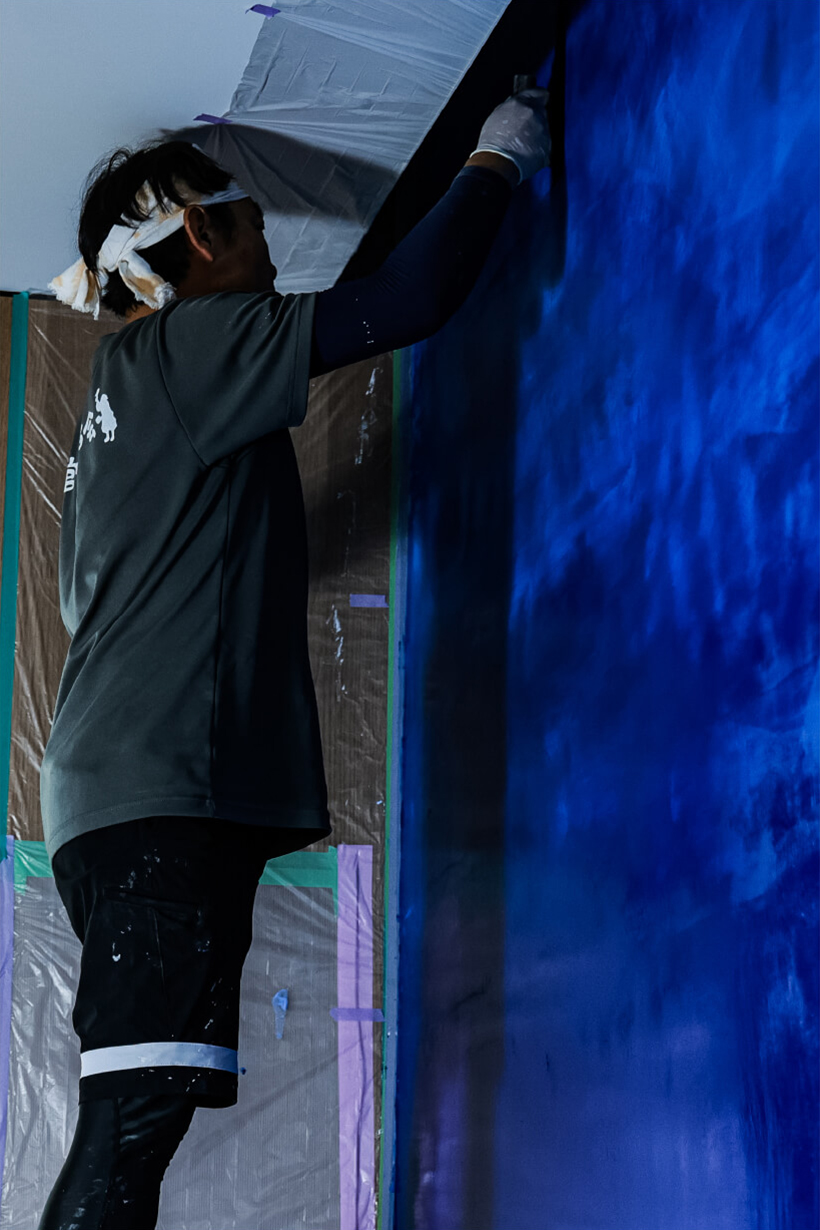
Walls carefully built up by the skilled hands and senses of craftsmen create soft shadows, bringing warmth and rich expression to the space. By reading changes in weather and adjusting the material mixture with delicate intuition, these layers deepen in texture over time, producing spaces that grow more characterful and nuanced the more they are experienced.

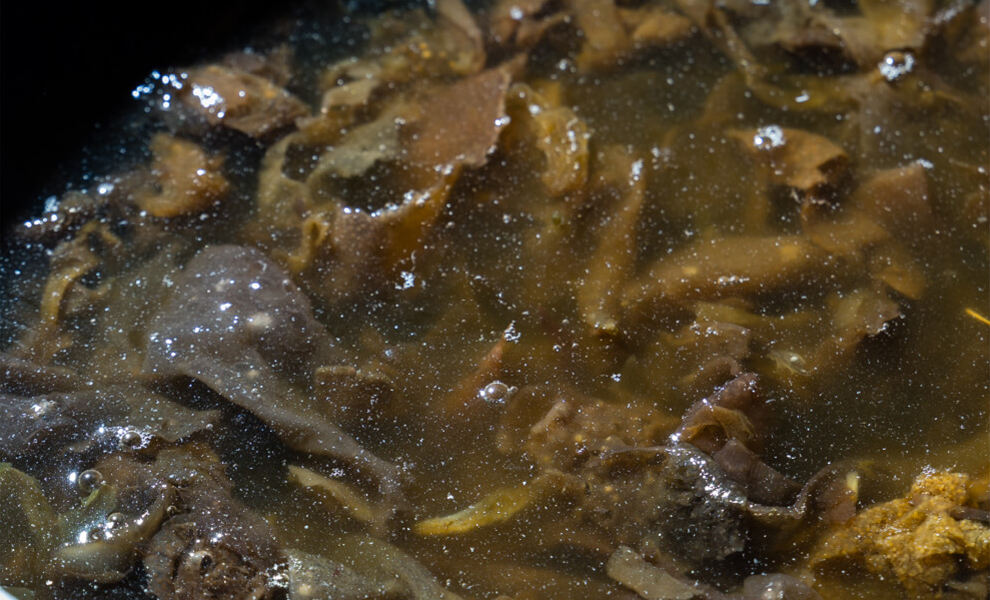
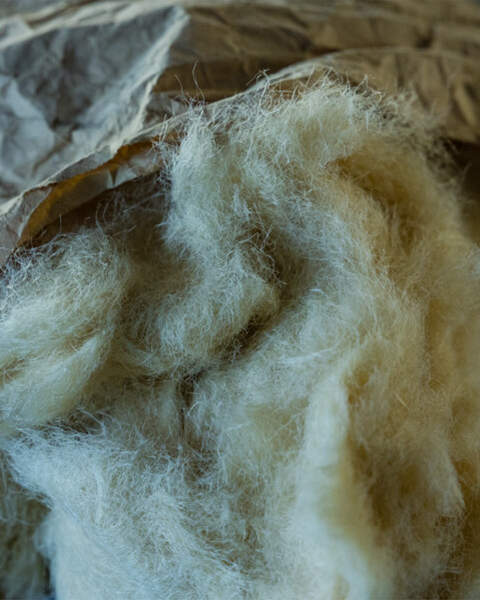
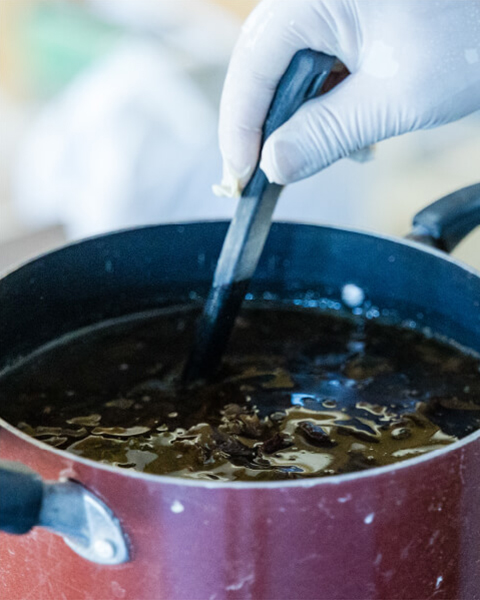
Shikkui (plaster) is made from natural materials such as slaked lime, water, and natural fibers. Its whiteness and texture vary depending on the limestone’s origin and composition, giving each region a distinct character. Through the hands of the plasterer, the local climate and spirit of the land are reflected on the walls, imparting individuality as a “painted earth.” Even after application, the lime continues to harden while absorbing carbon dioxide from the air, earning plaster the title of a “breathing wall.”

Casting Chuzo

Shaping Nature

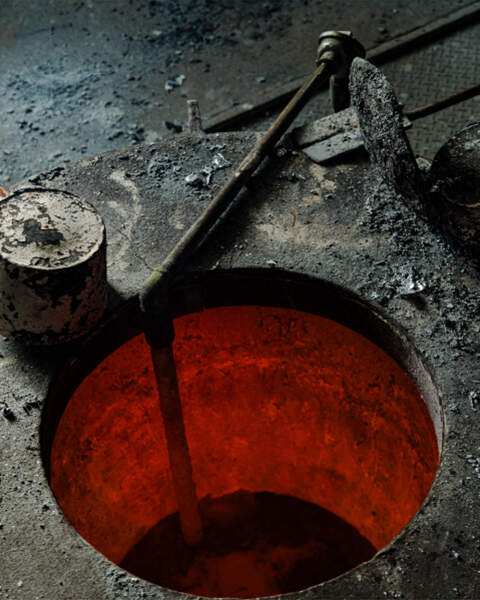
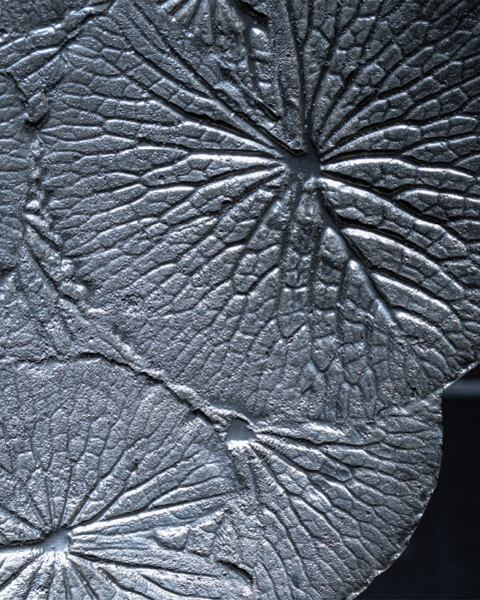
Casting is an ancient metalworking technique in which natural ores are refined, melted, and poured into molds to create new forms.
This method harnesses the fluidity of metals and the cooling process to produce objects with hardness and strength. Its primal yet powerful nature has been applied across architecture, art, and industry.
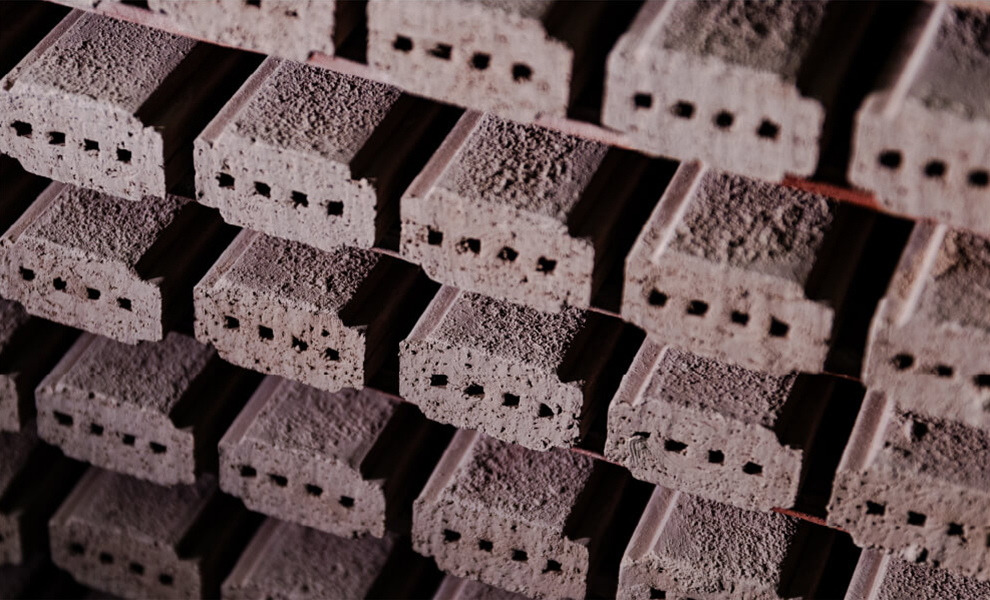
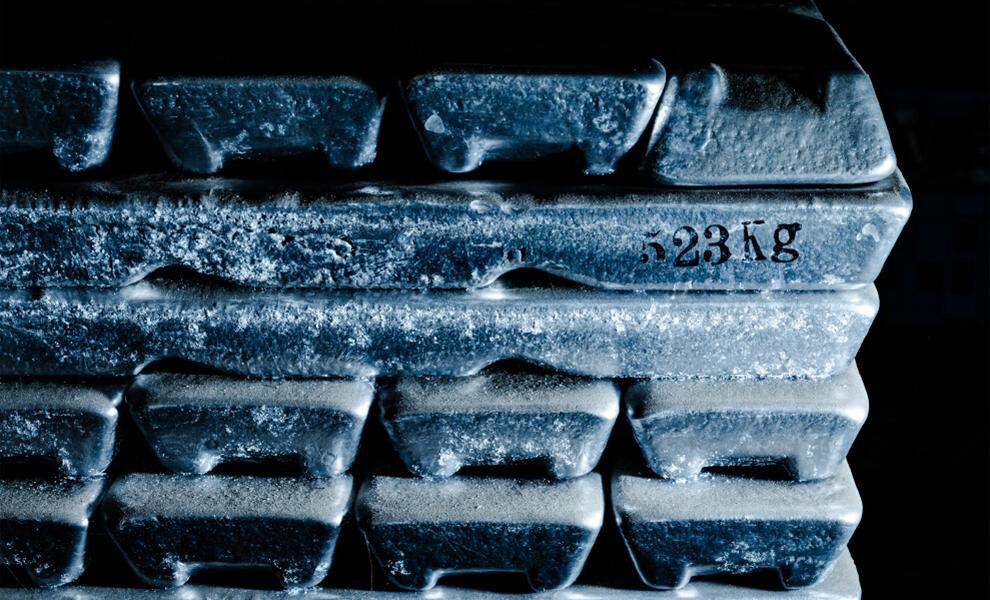
Metals used in casting include iron, copper, and bronze. These are mined as ores and then melted and shaped in molds. In regions rich in metal deposits — especially sources of iron and copper — this technique has been practiced for centuries.

Casting Intentions

A casting artisan begins by creating the mold. Whether using sand casting, lost-wax, or another method, they select the technique according to purpose and carefully calculate the metal’s flow, tackling the process in a single, decisive pour. The work with fire is inherently risky, yet they confront the heat to transform the imagined form into reality. When the molten metal cools, solidifies, and is polished, what emerges is not merely the product of tools, but the form of intention itself.

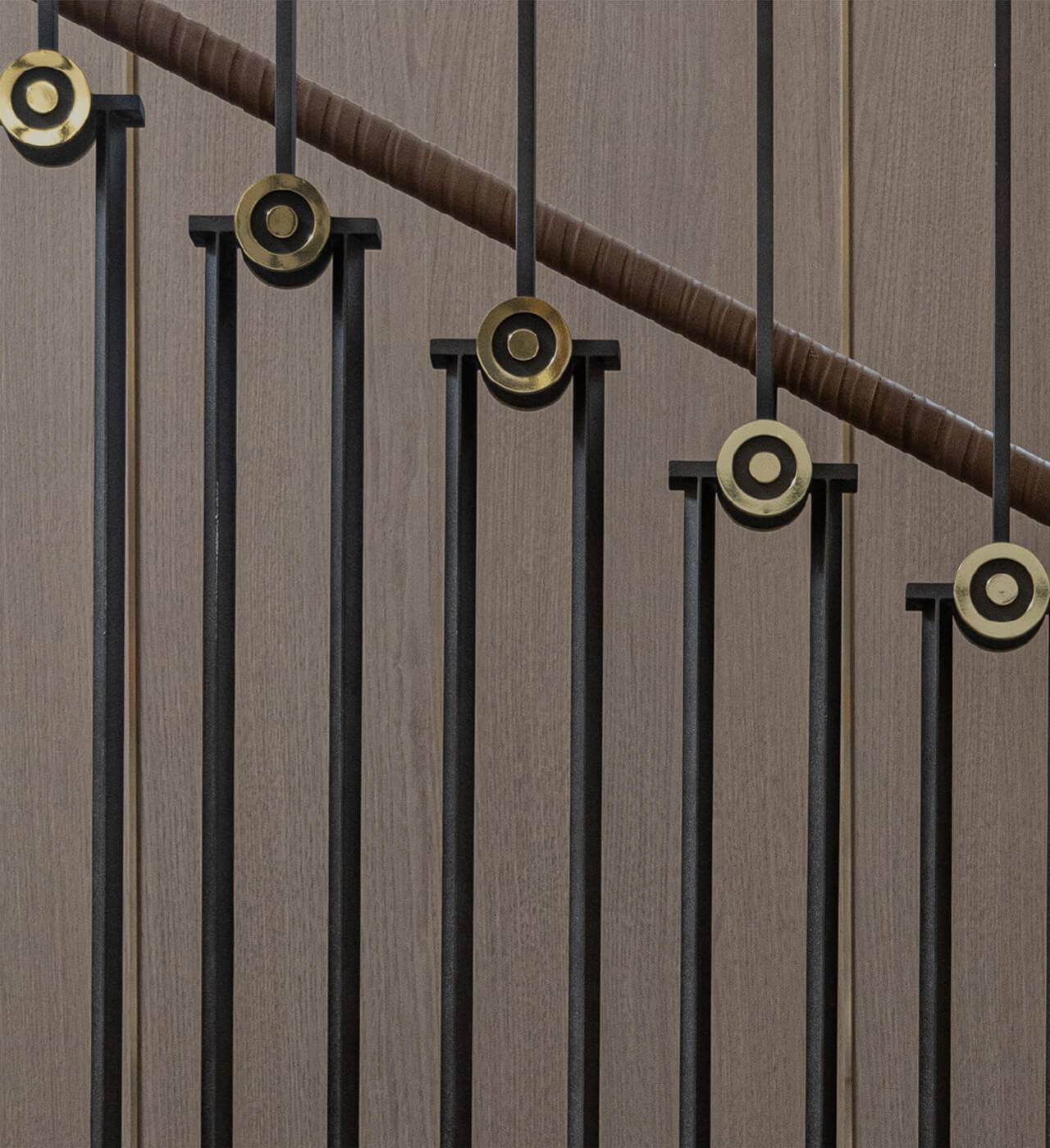
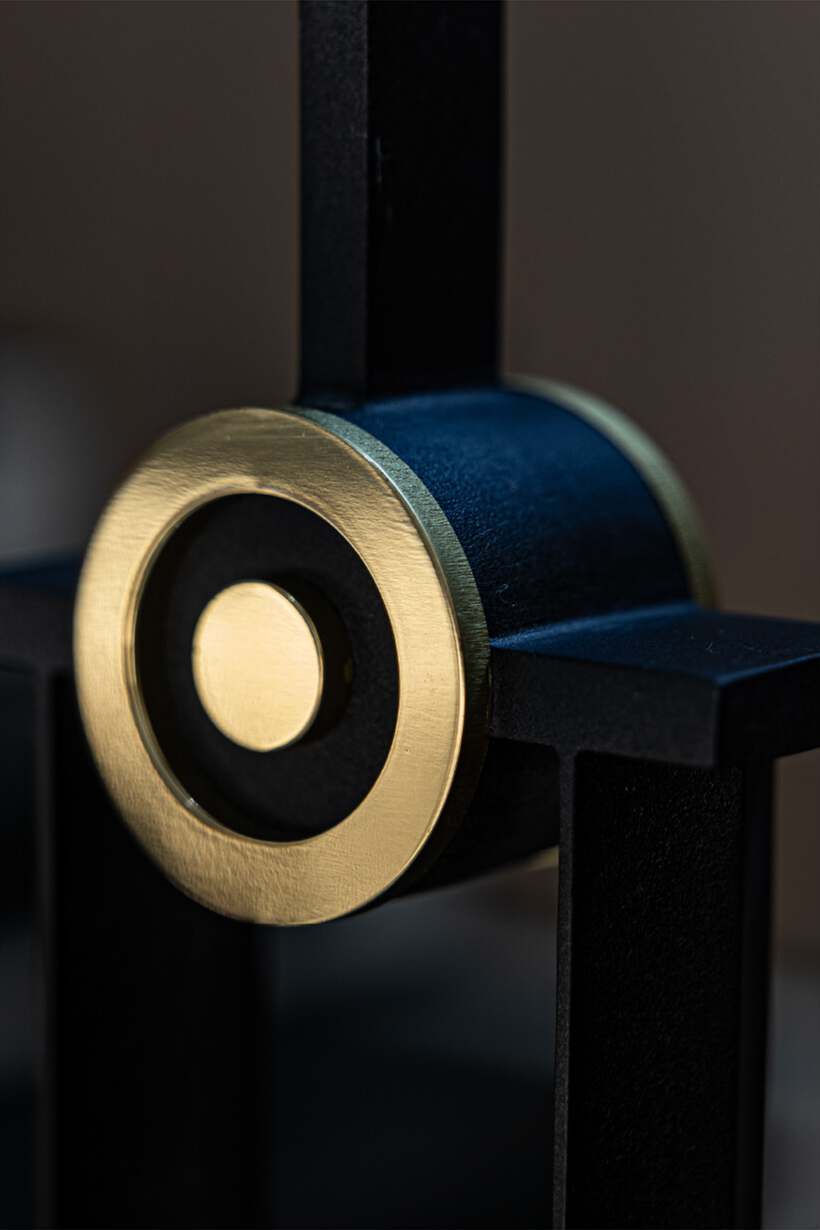
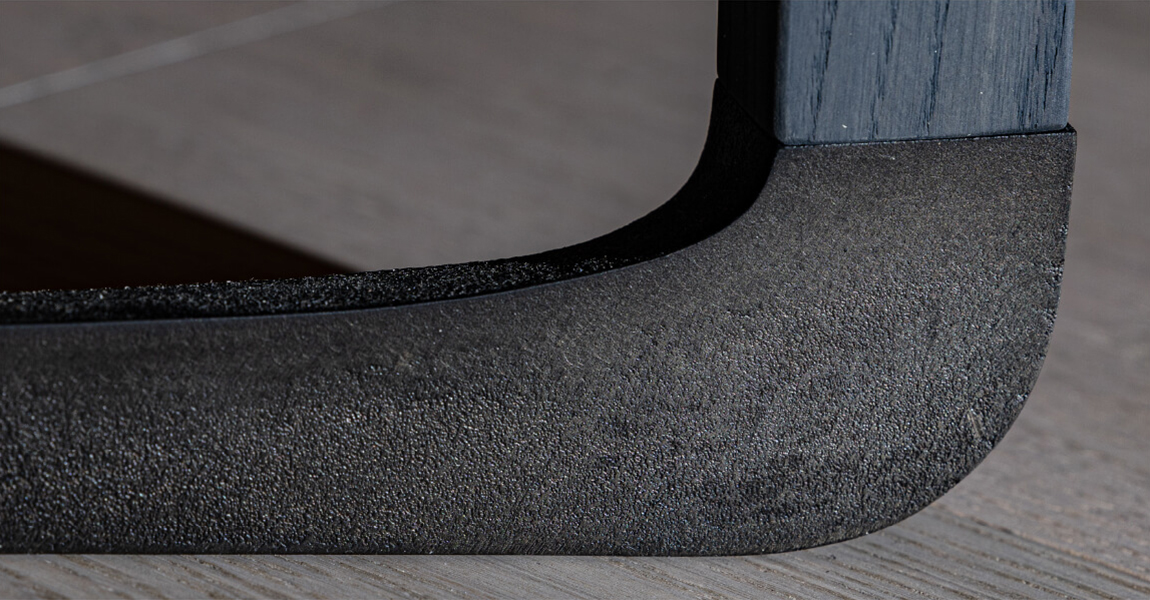
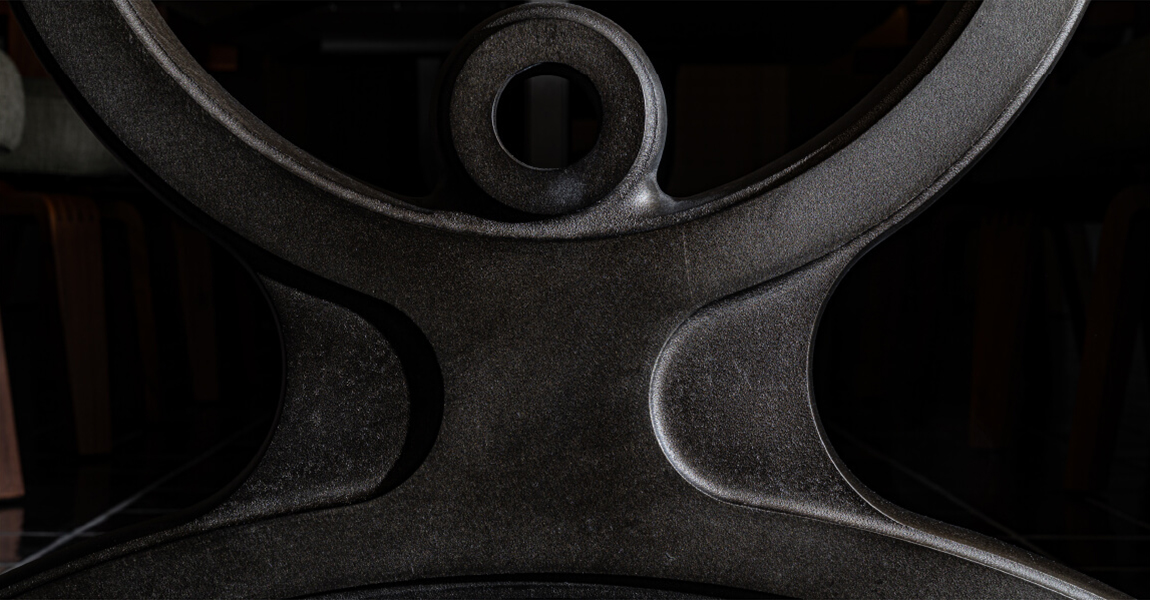
By mastering precise casting techniques such as sand casting and lost-wax, artisans skillfully manipulate a variety of metals — iron, aluminum, and copper alloys. They do more than shape metal; in collaboration with architects and designers, they meticulously refine the surface texture and edges. This dedication embodies the soul of the modern casting artisan. Through weight and texture, their work manifests in architecture as a tactile structure that redefines the relationship between material and human touch.
Ceramics Tou

Dialogue of Earth and Fire

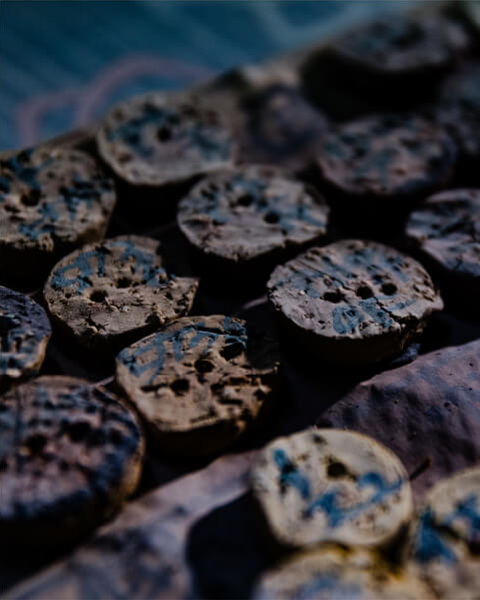
Ceramics involve kneading clay, shaping it, and firing it — one of the most primal acts of dialogue between humans and nature. Selecting the clay, blending glazes, adjusting firing temperatures — every step depends on a delicate balance, where chance and intention combine to create a unique expression.
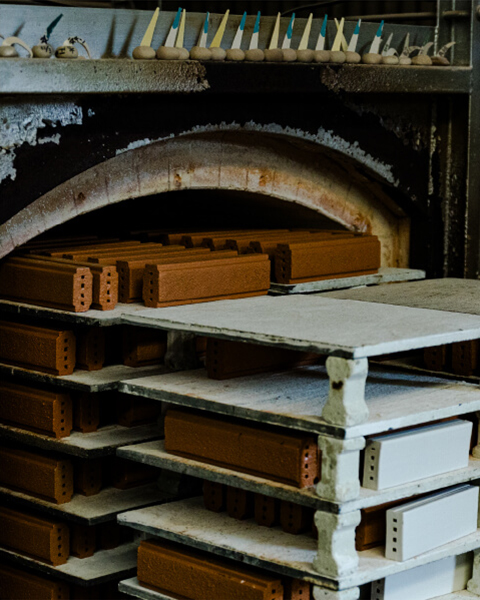
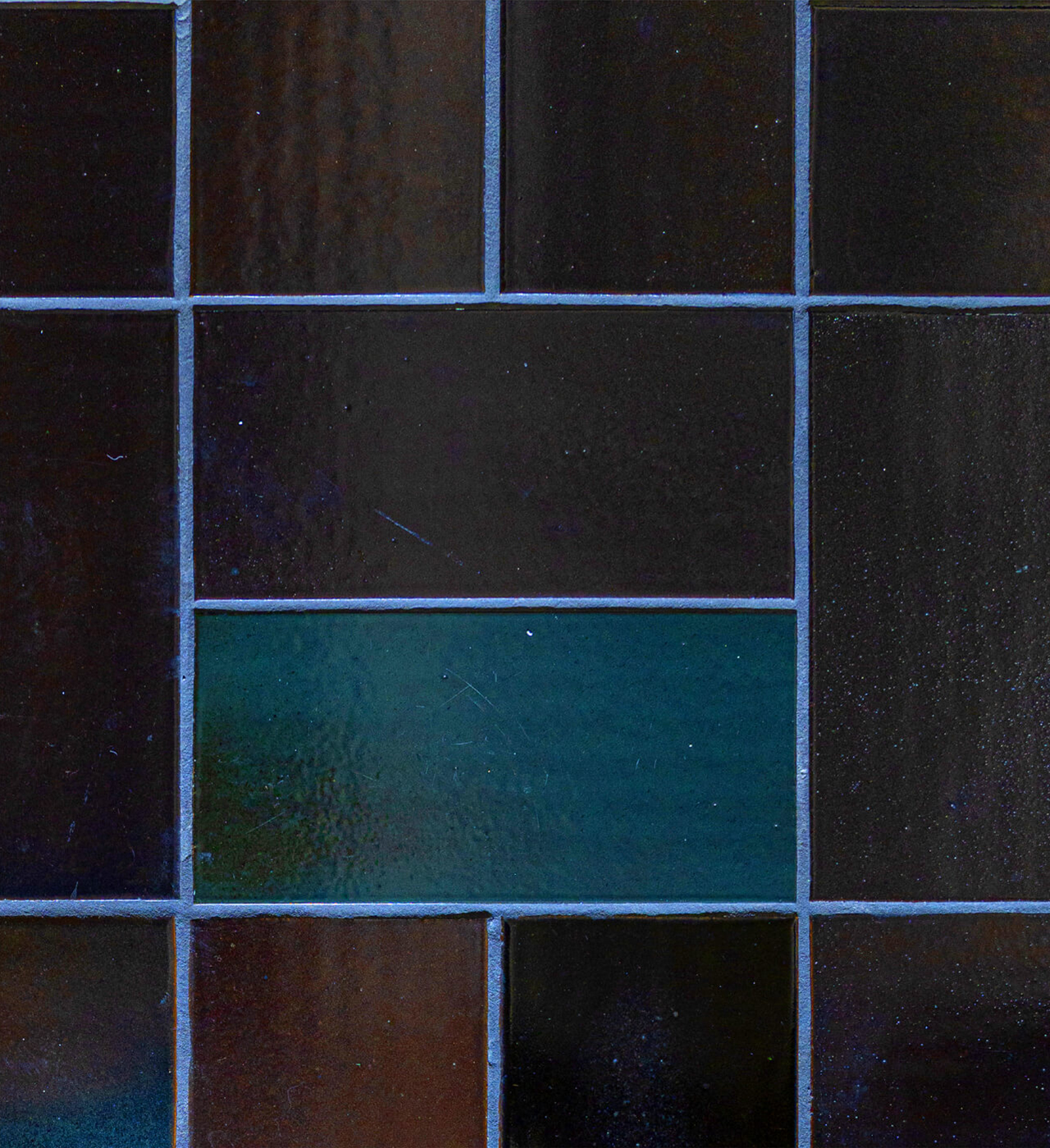
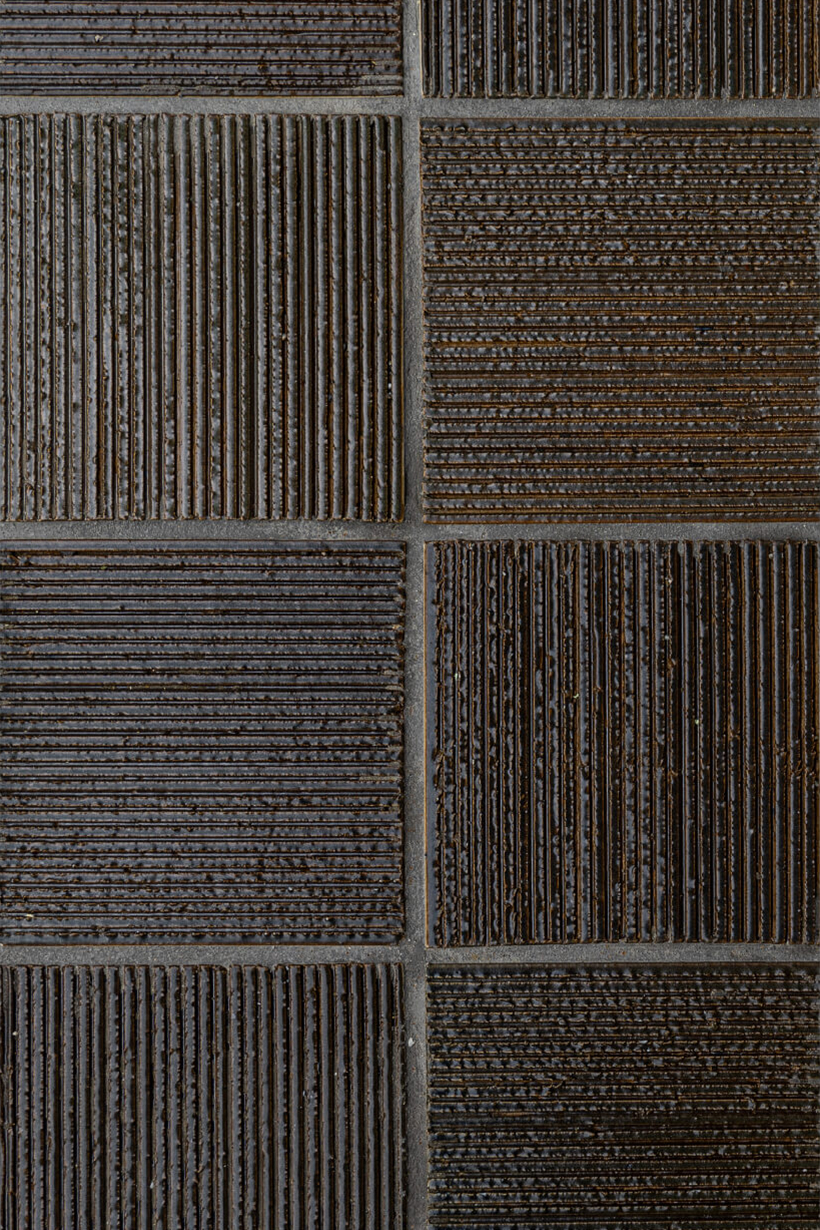
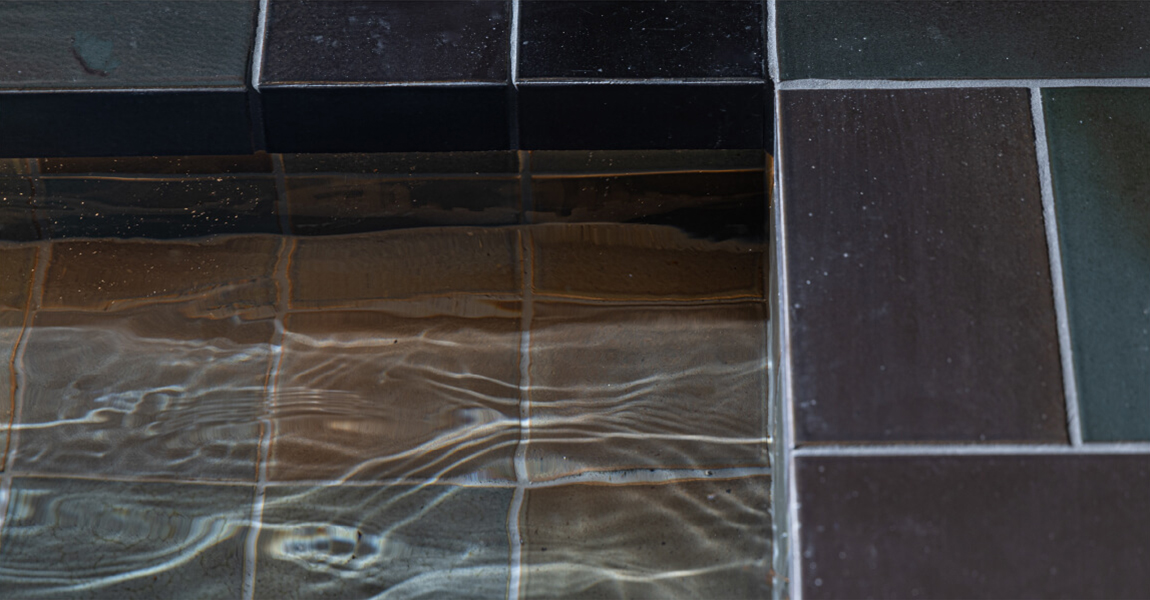
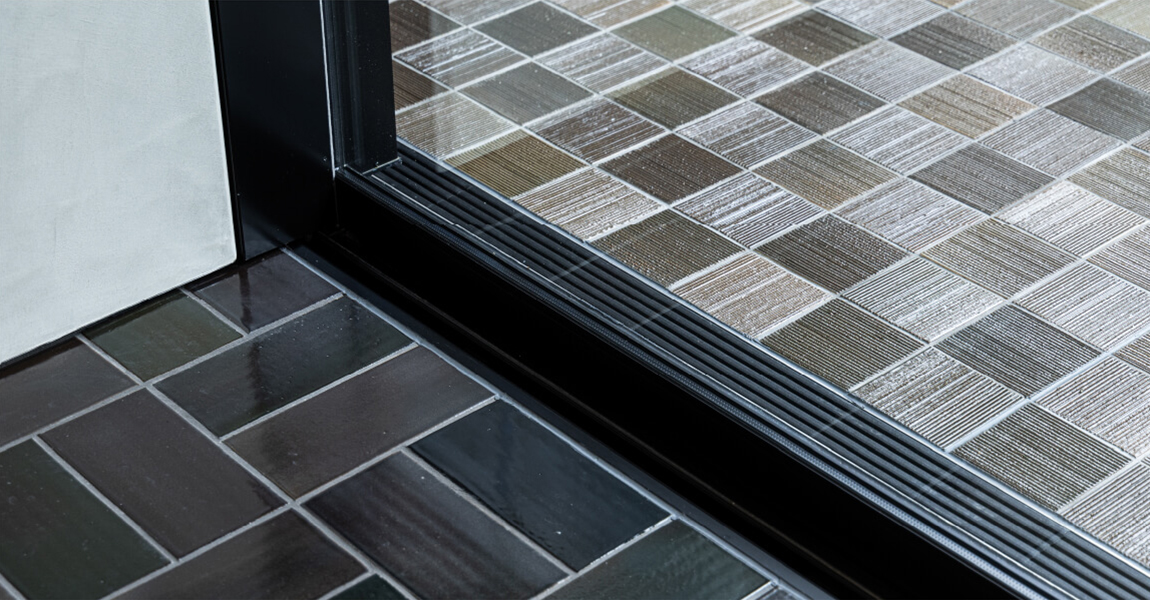
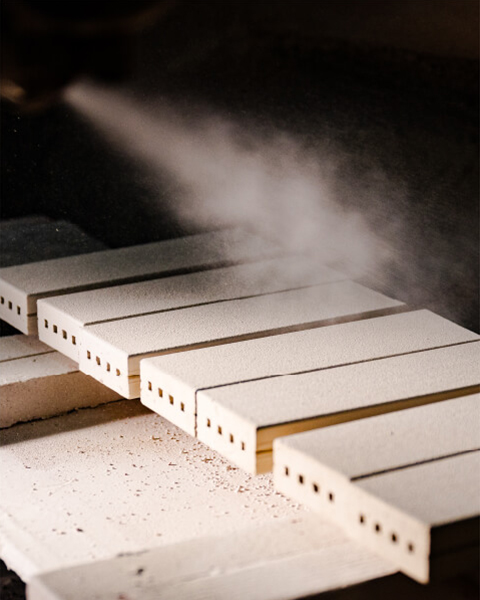
In architecture, ceramics are used in tiles, roof tiles, and decorative elements. Their fired surfaces are resilient to rain and wind, aging gracefully while maintaining beauty.

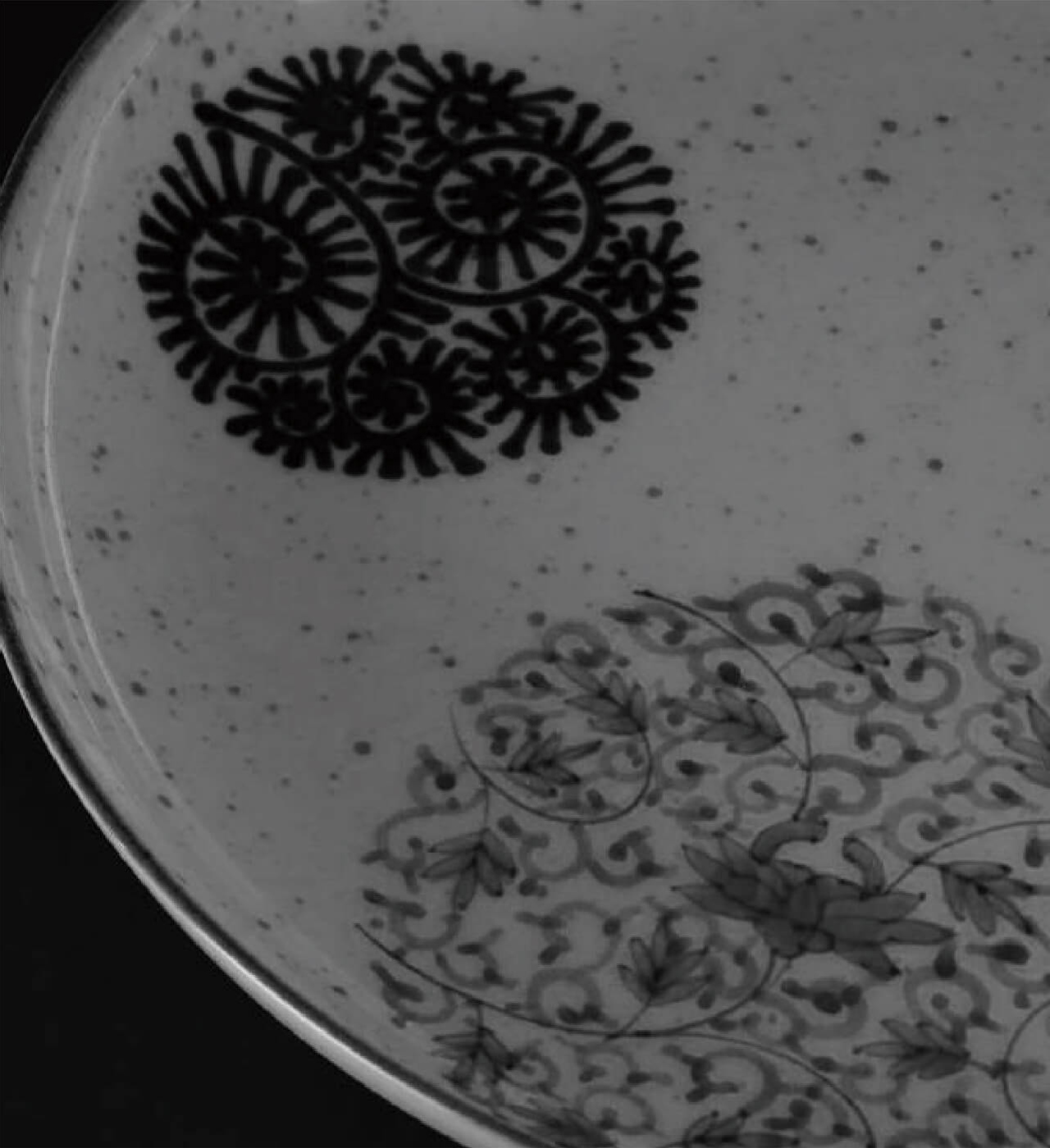
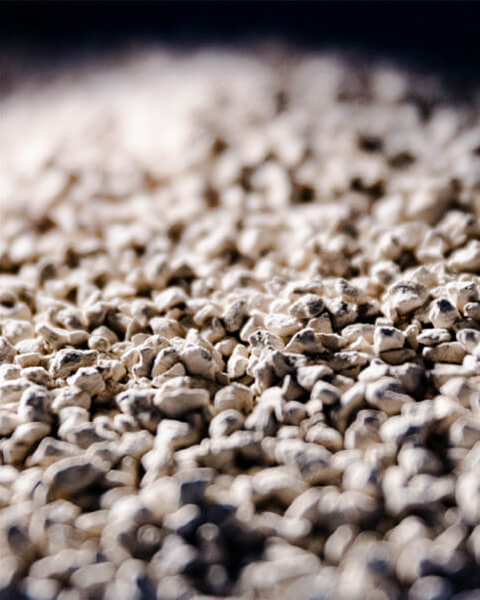
Arita-yaki is Japan’s representative porcelain, developed mainly in Arita Town, Saga Prefecture. The essential ores used to produce its white, hard, and translucent porcelain form the foundation of its beauty. The surrounding terrain, with its deep mountains and high-quality water, provided a natural environment ideal for clay refinement and pottery production. Historical firing methods, such as the noborigama (climbing kiln), cleverly adapted to the steep terrain, reflecting ingenuity in harmony with nature.

Mastering the Clay

Shaping clay with a wheel or mold ultimately relies on the delicate sensitivity of the fingertips. Equally important is the ability to read and control the movement and intensity of the fire during firing. These skills and experiences, honed through the making of vessels, produce subtle distortions and color variations, bringing out the depth and texture unique to ceramics. In architecture, this sensibility enriches the space, transforming components from mere materials into elements of tactile quality.

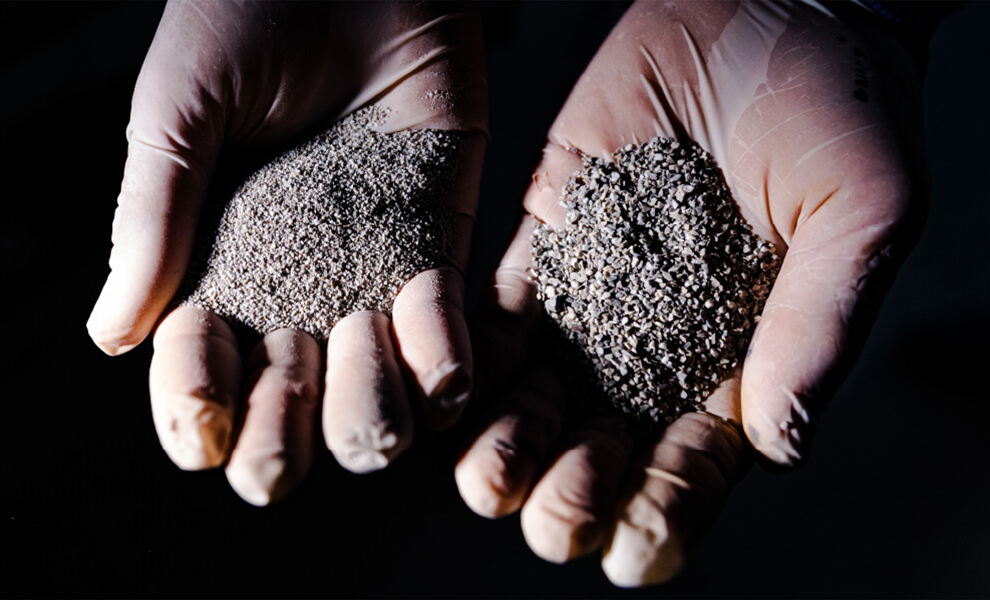
Arita-yaki primarily uses the white, low-impurity Amakusa porcelain stone. Its high whiteness and uniformity support Arita’s beautiful color development and delicate texture. Even in the tiles used for this project, slight variations in glaze composition or firing temperature greatly affect color and texture, requiring multiple trials to achieve the intended finish. The resulting surfaces demonstrate how local materials and craftsmanship bring distinctive character to a space.